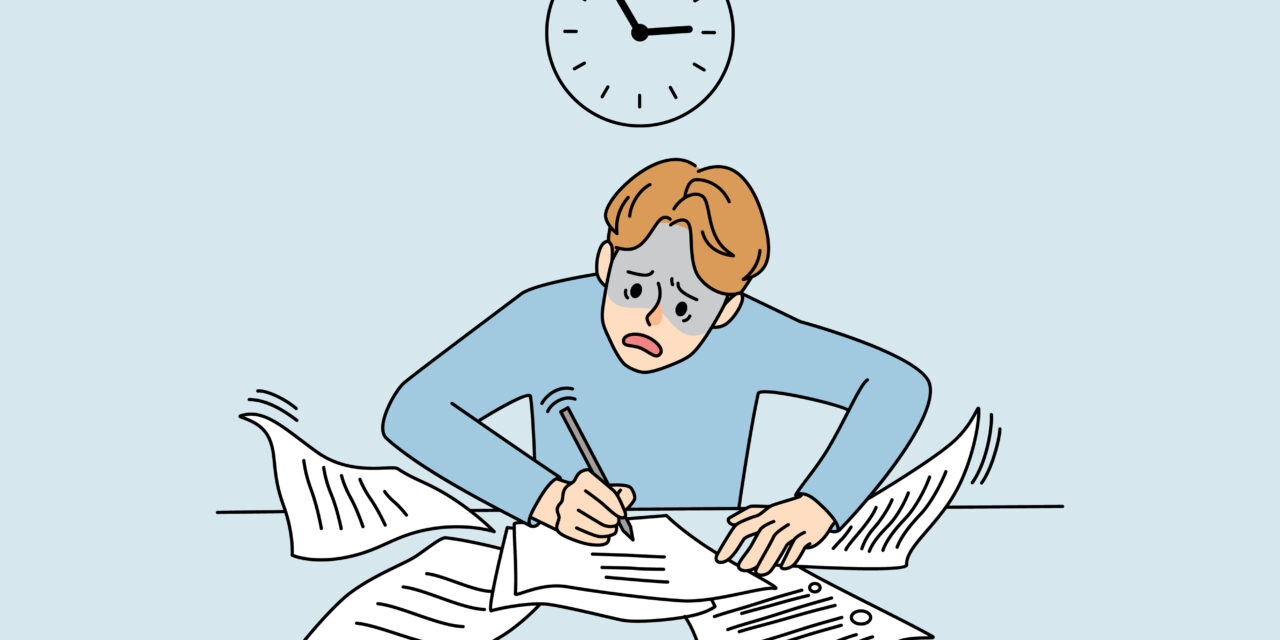
Q: “My students don’t understand the value of completing their work on time. I’ve threatened to take points off their work if they submit it late, but that doesn’t seem to work. How can I teach students the value of meeting deadlines?”
A: I hear your frustration loud and clear. You’ve tried the traditional approach — point deductions, stern warnings, and consequences — yet your students still don’t understand why timely submission matters. You’re not alone in this struggle. The good news? There are more effective ways to cultivate this essential life skill that go beyond punitive measures, and I’d argue that teaching them different behaviors rather than enforcing compliance will get a better result.
When I first started teaching, I did everything that was done to me. I was taught that we can only change behaviors with negative consequences. As I spent more time in the classroom, I became curious about why students missed deadlines and what I could do differently. I hope this advice helps.
Building the Foundation: Relationships Over Rules
The most powerful motivator for students isn’t fear of punishment, but connection with their teacher. When students feel valued and understood, they’re more likely to want to meet their expectations. John Hattie’s metadata research suggests that positive teacher/student relationships and a sense of belonging get more than a year’s worth of learning in a year based on their effect sizes. Start by having genuine conversations about their challenges with time management. Ask what barriers they face. These barriers might be overwhelming workloads, extracurricular commitments, or simply not knowing how to break down large assignments.
I know a middle school teacher who begins each semester with “time audits,” where students track how they spend their time for a week. This eye-opening exercise often reveals where time slips away and creates a foundation for meaningful discussions about prioritization.
Clear Expectations and Manageable Steps
Students often procrastinate because assignments feel overwhelming. Break larger projects into smaller, manageable chunks with staggered due dates. Instead of one massive research paper due at the end of the month, create milestones: topic selection by Friday, outline by next Wednesday, first draft the following week.
Provide rubrics that clearly outline expectations and grading criteria. When students understand exactly what’s expected and how their work will be evaluated, they prioritize it appropriately. It is also a good idea if you work with dispositions in your class to have rubrics for them, too. Dispositional learning shouldn’t factor into academic outcomes but should be tracked separately.
The Power of Positive Reinforcement
Instead of point deductions for late work, consider flipping the script with positive incentives. Create a “Punctuality Hall of Fame” bulletin board showcasing students who consistently meet deadlines. Offer small rewards like homework passes or preferred seating for those who maintain perfect submission records.
One high school English teacher uses a deadline lottery: Every on-time submission enters students into a monthly prize drawing. The excitement around this simple system dramatically improved submission rates.
Teaching Time Management Skills
We can’t assume students know how to manage their time effectively. Dedicate class time to teaching practical strategies:
- How to use planners or digital calendars.
- The Pomodoro technique (25 minutes focused work, five-minute break).
- Breaking large tasks into 15–30-minute chunks.
- Setting personal deadlines ahead of actual due dates.
You can also brainstorm with your students the different ways that students in class stay on top of the due tasks. Create a menu of options that students can try until they find something that works. If we give them time to experiment and reflect, we teach them skills that will serve them long after they graduate from their foundational schooling.
Timely Feedback Loops
Students value work that their teacher values. When you return assignments promptly with meaningful feedback, you demonstrate that their effort matters. This creates a positive reinforcement cycle – students see that timely work leads to timely feedback, which helps them improve.
Aim to return assignments within a week, if not sooner. If that’s impossible, communicate your timeline so students understand the process sooner rather than later. Transparency builds trust and shows respect for their effort. And remember that not all feedback needs to be written. You can make time to talk to students about their learning in class while they are working in groups or independently.
Creating Engaging Work
Sometimes, late submissions stem from disengagement rather than poor time management. Evaluate whether your assignments truly capture student interest and relevance. Can you incorporate more choice, real-world applications, and opportunities for creativity?
When students find work meaningful and engaging, they’re more motivated to complete it on time. Consider project-based learning, authentic audiences for their work, or connections to current events and student interests. I found this to be true in all my classes. My students worked hard to do any learning experience, knowing that each piece of their learning was important. The class was almost exclusively project-based except for their blogs and other independent work. They loved writing on their blogs, and class mainly functioned with choice menus. Students could choose how they wanted to spend their class time and could determine what kinds of products they submitted to demonstrate their learning.
The Grace Period Approach
Instead of immediate point deductions, implement a 24-48-hour grace period with no penalty. This acknowledges that life happens while still maintaining accountability. After the grace period, consider a sliding scale deduction rather than an all-or-nothing approach. Also, teaching students to communicate their need for more time will mimic the skills they need to employ in future work and life.
Some teachers use “late passes.” Each student gets two or three per semester to use when they need extra time without penalty. This teaches responsibility while providing flexibility.
Teaching the value of timely work submission isn’t about compliance; it’s about preparing students for life beyond the classroom. Reliability and time management are required in the workplace, college, and personal relationships.
Start small. Choose one strategy to implement this week. Consider breaking down a large assignment into smaller steps or introducing a positive incentive system. Remember that building this skill takes time and consistency. Your patience and thoughtful approach will pay off as students develop academic and life skills that will serve them well beyond their school years.
Have you successfully helped students turn their work in on time? What strategies would you share?
Have a question that you’d like Career Confidential to answer? Email ssackstein@educatorsrising.org or fill out this short form. All names and schools will remain confidential. No identifying information will be included in the published questions and answers.
ABOUT THE AUTHOR

Starr Sackstein
Starr Sackstein is the Massachusetts state coordinator for PDK’s Educators Rising program, COO of Mastery Portfolio, an education consultant, instructional coach, and author. She was a high school English and journalism teacher and school district curriculum leader. She is the author of more than 15 educational books, including Hacking Assessment (Times 10, 2015), Making an Impact Outside of the Classroom (Routledge, 2024), and Actionable Assessment (Routledge, 2026).
Visit their website at: https://www.mssackstein.com/