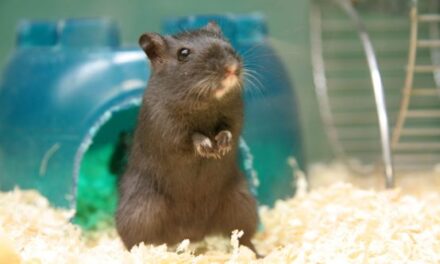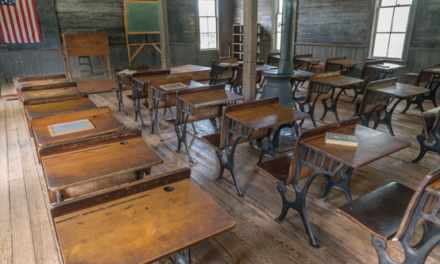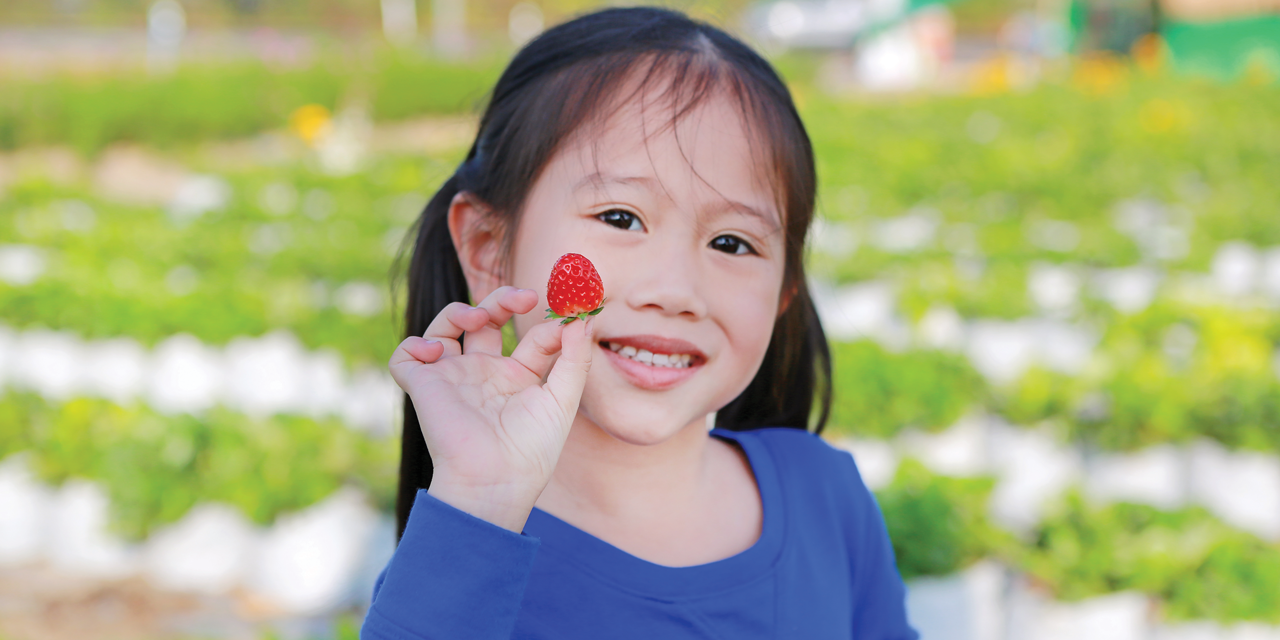
It’s the season of spring flowers, and the air is filled with the fragrance of peach blossoms. On the playground, the children are playing soccer. Seeing me walk past, the children run over and ask me, “Can we plant grapes and watermelons in the Happy Farm this year?” “Can we raise some bunnies in the Happy Farm this year?” The children express their wishes one after another. Perhaps you are curious about the Happy Farm and how it has become a paradise for children to explore knowledge and ignite their dreams. Let me tell you.
Sowing hope in spring
Our school property included a large lot with weeds growing everywhere. One day after school, I took my students to this spot and asked them if they liked it. The children shook their heads no. I then asked, “And what would you like this place to be like?” Jack answered loudly, “It would be great to grow strawberries here because I love strawberries.” Henry added, “I like potato pancakes, so it would be nice to grow potatoes here.” That day, the students were filled with anticipation as they imagined they could grow their favorite vegetables and fruits in that weedy open lot.
My students and I gave this wonderful open space a name: Happy Farm. I wanted to give students more opportunities to interact with, understand, and explore nature, and to let every student feel the joy of harvest firsthand. So, on the first day of school in spring 2022, I purchased some gardening tools and seeds to grow strawberries, potatoes, tomatoes, and more. I led the children in weeding, hoeing, and watering, so that they could plant every seed with their own hands.
Every day during recess, the children would run to the Happy Farm to water and fertilize the seeds. Two weeks later, Mary excitedly ran to my office and told me that the seeds had sprouted and had grown so many tender and beautiful leaves. I saw the children gathered around the Happy Farm, jumping and singing. Every little sprout looked magical and interesting in their eyes.
I asked, “Do you know whether strawberries like sunshine or shade, and how potatoes can be maintained to grow faster and bigger?” The children stared blankly. So I gave them a task: Submit a monthly observation diary to record and analyze the growth of vegetables and fruits. From that day on, the children ran to the Happy Farm as soon as class was over. Some students observed each sprout with a magnifying glass and recorded the size with a measuring tape. Some picked up paint brushes and drew the shapes of the shoots of each type of vegetables and fruits and wrote about the differences between them. Other students measured the humidity and temperature of each piece of soil and drew a data chart to explore the relationship between vegetable growth and soil.
One student, Wendy, brought her own guitar and sang to the seedlings. She told me that beautiful music can promote the healthy growth of seedlings, and she hoped that they would grow quickly. Under the sunlight, the children’s foreheads glistened with beads of sweat, but their faces were full of joy.
Experiencing growth in summer
I was pleased that the children became more and more thoughtful, often asking whimsical questions and showing boundless enthusiasm for learning. To encourage the children to explore, I placed a small blackboard in the Happy Farm and invited the students to write their questions on it, expecting other students to respond.
From that day on, whenever the growth of the seedlings was stunted or the plants were thin, the first child to discover the problem would write it down on the board. Other children saw the problem and rushed to the internet or to the library to check for information. They worked together to find solutions to the problems and guard the growth of each seedling with love. In this way, the flame of exploration was ignited in the children’s hearts.
The children’s observation journals were rich in interesting content, including vivid words, beautiful drawings, and clear diagrams detailing the growth process of the seedlings. They also included the various problems they encountered in the process of observation and their own experiences and feelings.
One of the students, Nick, wrote in his diary, “I used to be addicted to video games and didn’t like to study. But since I got the Happy Farm, I realized that there are many things more interesting than playing games. I can sow the seeds myself, water them, and watch the seedlings grow day by day, which gives me a great sense of accomplishment. It turns out that life can be this good.”
Harvesting dreams in the fall
In the blink of an eye, the harvest season was here. The children picked strawberries, potatoes, and tomatoes in small baskets to the sound of cheerful songs. They brought the vegetables and fruits to the cafeteria, where the chef made potato fries, strawberry salad, and scrambled eggs with tomatoes. The children excitedly tasted the fruits of their labor, saying that they were the best dishes in the world! They were so immersed in the joy of the harvest that day that they didn’t want to leave the school.
Last year, we planted cucumbers, celery, and figs at the Happy Farm. The students organized four swap fairs at school, where students traded their books, notebooks, pencil cases, and other school supplies for vegetables and fruits. Through this exchange activity, the students experienced the joy of sharing. As this school year began, children planned for the Happy Farm again.
I am pleased to see the children enjoying the Happy Farm. Here, children are free from the constraints of the desk and can step into the embrace of nature. The Happy Farm transforms textbook knowledge into fascinating practical experiences. Children explore, share, and learn to their heart’s content, expressing their love of nature and passion for life. I think this may be the charm of the Happy Farm.
This article appears in the November 2024 issue of Kappan, Vol. 106, No. 3, p. 48-49.

ABOUT THE AUTHOR

Shanshan Wang
Shanshan Wang is the director of the China Academy of Science and Education Evaluation, Hangzhou Dianzi University.