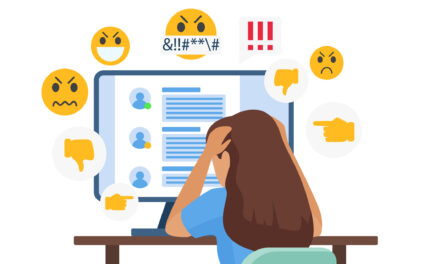
Q: My school has moved to standards-based grading, which hasn’t been a positive experience for teachers or students. Students have developed learned helplessness; they believe they are unable to control or change a situation, even if they can. We now have a culture that allows students to continue this behavior. How do we correct and/or prevent learned helplessness in the classroom when school initiatives seem to encourage this behavior?
- Signed, feeling helpless to combat helplessness in my classroom
A: First, let me assure you that you are not alone in your struggle. Any new initiative can shift the way students and educators feel about learning. Transitioning to standards-based grading (SBG) can be challenging for educators and students, as it seeks to create an environment quite different from traditional grading and assessment. SBG intends to provide a clearer understanding of students’ mastery of content. Still, as you’ve pointed out, it can inadvertently foster a sense of learned helplessness among students, especially if there is no cohesion or clarity among staff about why this shift was made and what is hoped to be achieved by it. This phenomenon occurs when individuals feel they have no control over their circumstances, leading to a lack of motivation and engagement. However, there are effective strategies you can implement to combat this issue and encourage a more positive learning environment.
Understanding learned helplessness
Learned helplessness is rooted in the belief that your actions do not impact outcomes. In a classroom setting, students may feel that their efforts are futile, especially if they perceive that they don’t have to meet deadlines, share learning, or meet objectives that demonstrate how they are progressing. These behaviors frustrate teachers who feel as though students don’t see the value in learning. This mindset can be exacerbated by a grading system that emphasizes standards without offering meaningful feedback or opportunities for growth. If schools haven’t implemented SBG well, with all the appropriate professional learning, there’s a good chance that students aren’t buying in.
Strategies to combat learned helplessness
- Foster a growth mindset: Folks may be tired of hearing about it, but a growth mindset nurtures intrinsic motivation. To thrive in a standards-based environment, learners need to be invested in their own growth. Encourage students to adopt a growth mindset, believing that abilities can be developed through dedication and hard work. Share stories of resilience and improvement, emphasizing that mistakes are a natural part of learning. You can incorporate activities highlighting effort and perseverance, such as reflection journals where students document their learning journey and challenges or portfolios.
- Provide constructive feedback: Shift the focus from grades to feedback. Instead of simply assigning a score based on standards, provide specific, actionable feedback that guides students on improving. This helps them understand their current standing and empowers them to take ownership of their learning. For example, instead of saying, “You didn’t meet the standard,” you might say, “You’re close to mastering this concept; try reviewing these specific areas.” You can provide constructive and actionable feedback in writing or verbally during conferences.
- Set clear, achievable goals: Help students set personal learning goals that are specific, measurable, achievable, relevant, and time-bound (SMART). When students have clear objectives, they can track their progress and feel a sense of accomplishment as they meet these goals. Eventually, students take ownership of this experience, setting their goals based on what they are most interested in targeting. Celebrate these small victories to reinforce their belief in their ability to succeed. This is another way to ensure their voices are a part of the process.
- Encourage self-advocacy: Teach students how to advocate for themselves. This includes asking questions, seeking help, and understanding their learning needs. When SBG is done correctly, students are aware of their strengths and challenges and can better advocate for their needs. Create a classroom culture where it’s safe to struggle or express confusion. Role-playing scenarios where students practice asking for help can empower them to take charge of their learning. Learning conferences support this as well.
- Implement flexible learning paths: Differentiate instruction to meet the diverse needs of your students. Offer various pathways to mastery that allow students to engage with the material in ways that resonate with them. This might include project-based learning, collaborative group work, or independent research projects. When students see that they can approach learning differently, they may feel more in control of their education. And when SBG is rolled out well, students can articulate the way they want to learn, and teachers can be flexible to take the route that best suits them.
- Model resilience: As an educator, your attitude towards challenges can significantly influence your students. Share your own experiences of overcoming obstacles and the strategies you used. When students see you navigating difficulties, they may be more likely to adopt similar attitudes toward their own challenges. This is true with the initiative itself, too. If students know that you haven’t bought in and don’t like SBG and are vocal about it, then your students won’t like it either.
- Create a supportive classroom environment: Build a classroom community where students feel safe to express their thoughts and feelings. Encourage collaboration and peer support, allowing students to learn from one another. When students feel connected and supported, they are more likely to engage actively in their learning. A strong sense of belonging also encourages positive risk-taking and increase their desire to achieve beyond compliance and good grades.
- Involve parents and guardians: Communicate with parents about the changes in grading and the importance of a growth mindset. Encourage them to reinforce these concepts at home by discussing effort and improvement rather than just grades. For example, one shift I made in conversations with my son was to ask him, “What did you learn today?” And if he answered with a score on a test, I dug deeper, saying, “That’s good, but that’s not what I mean. What was on the test? How well do you feel you learned the information? Was anything surprising?” This helped to shift our conversations, and I learned more about his learning experience and less about tests and scores. It’s really about what we value at home and helping children understand that intrinsic motivation around learning is what follows you for your life. It can help create a consistent message about the value of learning over merely achieving a score.
Moving forward
Transitioning to standards-based grading is undoubtedly a complex process, but it also can be an opportunity for growth and improvement within your classroom. By implementing these strategies, you can help students overcome learned helplessness and foster a culture of resilience and empowerment. Change takes time, and it’s essential to be patient with yourself and your students as you navigate this journey together.
You have the power to impact your students’ educational experience significantly. By addressing learned helplessness head-on, you can create a classroom environment that promotes academic success and nurtures confident, self-directed learners. Don’t be afraid to speak directly with students and the community so that everyone wins.
Have a question that you’d like Career Confidential to answer? Email ssackstein@educatorsrising.org. All names and schools will remain confidential. No identifying information will be included in the published questions and answers.
ABOUT THE AUTHOR
Starr Sackstein
Starr Sackstein is the Massachusetts state coordinator for PDK’s Educators Rising program, COO of Mastery Portfolio, an education consultant, instructional coach, and author. She was a high school English and journalism teacher and school district curriculum leader. She is the author of more than 15 educational books, including Hacking Assessment (Times 10, 2015), Making an Impact Outside of the Classroom (Routledge, 2024), and Actionable Assessment (Routledge, 2026).
Visit their website at: https://www.mssackstein.com/