Q: “What do I do after retirement? I want to stay active in an education-related field or role, but not in the classroom or in a school.”
Signed, Eager to Stay Engaged
A: Retirement can feel like a double-edged sword. On the one hand, it opens up a world of possibilities; On the other, it can leave you wondering how to fill the void left by a career that defined so much of your life. Many educators want to remain active in the education field but prefer to step away from the traditional classroom setting, so you’re not alone.
Here are some engaging avenues to explore that will keep you connected to education while allowing you to forge a new path.
Embrace lifelong learning
One of the most enriching aspects of a career in education is the commitment to lifelong learning. Even after retirement, consider enrolling in courses that intrigue you. Whether it’s a subject you’ve always wanted to explore or a skill you’d like to develop, many universities and community colleges offer classes tailored to retirees. This keeps your mind sharp and connects you with fellow learners who share your enthusiasm for education. It also broadens your network and potential work opportunities.
Volunteer your expertise
Volunteering is a fantastic way to remain engaged in the education community while making a meaningful impact. Many organizations, from local non-profits to community centers, seek retired educators to assist with tutoring programs, educational outreach, or mentorship initiatives. Sharing your skills and experience can be incredibly rewarding, and it’s a wonderful way to give back while fostering connections with new generations of learners. So, do a local search of your neighborhood to see where your unique set of skills will be most useful.
Consider educational consulting
If you possess specialized knowledge or experience, becoming an educational consultant could be an ideal fit. This role allows you to work flexibly, guiding schools, educational organizations, or businesses looking to enhance their training programs. You can focus on areas where you excel, whether curriculum design, teacher training, or educational technology. Consulting offers the chance to continue influencing education while enjoying the autonomy of choosing your projects. I enjoy consulting as it allows me to support initiatives and grow my professional network of educators without getting involved in a district’s local politics. It also allows me to do the work I love most around assessment. This could be a great opportunity if you have a niche area you love. If this interests you, consider building a website and getting on social media to find potential clients.
Write about your experiences
Writing can be a powerful way to share your insights and experiences with others. Whether you start a blog, contribute articles to educational journals, or even write a book, your voice can inspire and inform others in the field. Consider topics that resonate with you — engagement strategies, educational philosophy, or innovative leadership practices — and let your experiences shine through your writing. This keeps you engaged with the education community and establishes you as a thought leader in your area of expertise. This will also help with a potential consulting career as it publicly demonstrates your expertise.
Engage in educational advocacy
If you’re passionate about educational reform or specific issues within the education system, consider engaging in advocacy work. Many organizations focus on improving educational policies, equity, and resource access. Your voice can help shape the future of education, and many advocacy groups welcome the insights of experienced educators. This can be a powerful way to stay connected to the field while making a difference. You can start on the local level or go broader. I’ve spent time advocating for students and families who have special needs but don’t know how to navigate the school system the way an educator does. You can work with many organizations to do this or similar work if you don’t want to go out on your own.
Explore online education platforms
The rise of online education has created numerous opportunities for retired educators. You might consider developing and teaching online courses in subjects you’re passionate about. Platforms like Udemy, Coursera, or your website can be a venue for sharing your knowledge with a broader audience. This allows you to stay engaged with education and gives you the flexibility to work from home or wherever you choose. Designing asynchronous courses that folks can sign up for, such as Master Classes. This is also a great way to make passive income. Jennifer Gonzalez of the Cult of Pedagogy is a great example of how to build a brand and offer both free and paid options for current educators.
Join professional organizations
Staying connected with professional organizations can provide valuable resources and networking opportunities. Many associations offer special membership rates for retirees, allowing you to access journals, attend conferences, and participate in workshops. Engaging with these organizations keeps you informed about the latest trends and developments in education, ensuring you remain an active participant in the field. One great organization started by a newly retired educator is the Worthy Educator, and it has a lot of offerings to stay engaged in education. You can also check out organizations like PDK, AMLE, and the Aurora Institute, to name a few. Depending on your interests in education, there is an organization for you.
Mentor the next generation
Consider mentoring new educators or students interested in pursuing a career in education. Your experience can be invaluable to someone just starting. Whether through formal programs or informal connections, mentoring allows you to pass on your knowledge while fostering the next generation of educators. It’s a rewarding way to stay connected to the field and contribute to the growth of others.
Transitioning from a full-time teaching role to retirement doesn’t mean stepping away from education altogether. There are countless ways to stay active, engaged, and impactful in the field you love. Whether through volunteering, consulting, writing, or mentoring, the opportunities are vast. Embrace this new chapter with an open mind and a willingness to explore. After all, education is a lifelong journey, and your contributions can continue to make a difference long after you leave the classroom.
Have a question that you’d like Career Confidential to answer? Email ssackstein@educatorsrising.org. All names and schools will remain confidential. No identifying information will be included in the published questions and answers.
ABOUT THE AUTHOR
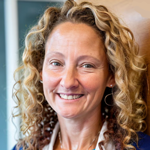
Starr Sackstein
Starr Sackstein is the Massachusetts state coordinator for PDK’s Educators Rising program, COO of Mastery Portfolio, an education consultant, instructional coach, and author. She was a high school English and journalism teacher and school district curriculum leader. She is the author of more than 15 educational books, including Hacking Assessment (Times 10, 2015), Making an Impact Outside of the Classroom (Routledge, 2024), and Actionable Assessment (Routledge, 2026).
Visit their website at: https://www.mssackstein.com/