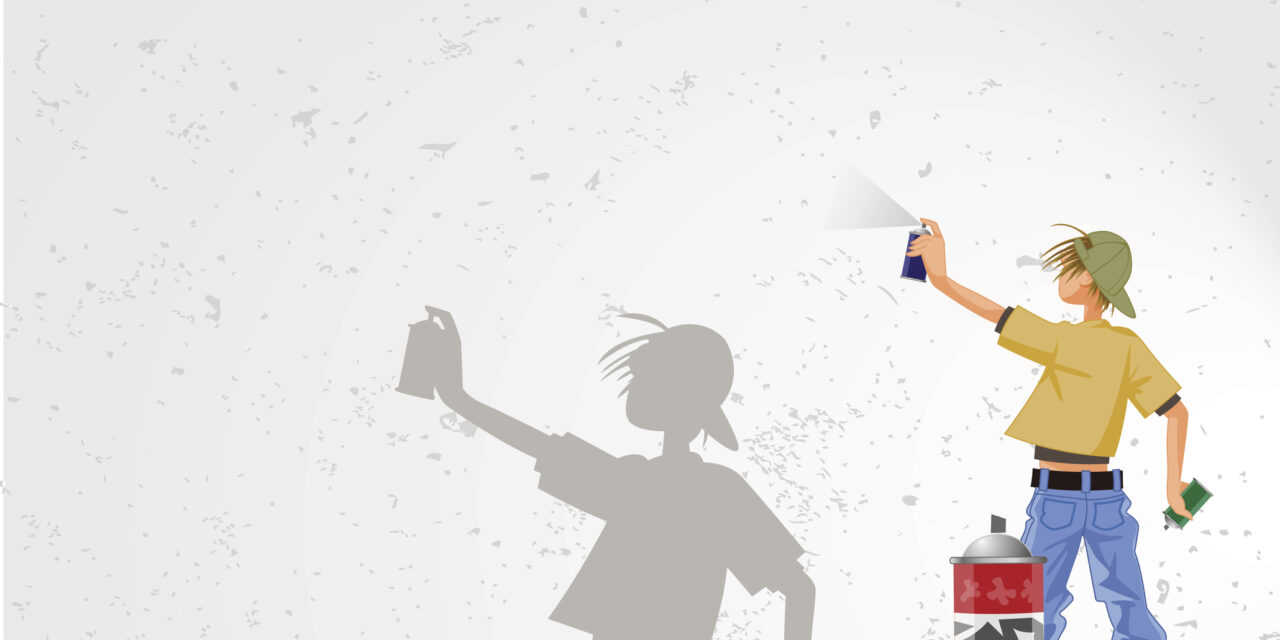
Q: I’m ticked off about these TikTok challenges, which encourage students to vandalize and steal school property to get likes and attention. I don’t care what you call it — these are crimes, and these kids are behaving like criminals. They’re damaging and stealing expensive equipment, creating extra work for already overburdened custodians, and inconveniencing administrators like me, who have enough headaches to deal with without having to figure out who drew 177 pictures of penises and breasts in indelible Sharpie all over the first-floor hallway and bathroom stalls.
We do have cameras, and we are catching most of the guilty students, but that’s where my question comes in. The students behaving like wild animals are among our youngest middle schoolers! One of the kids hasn’t even turned 11 yet. My god, what is going on? Why is this happening? And what am I supposed to do with a 10- or 11-year-old student who has gone completely off the rails? I need to hold these children accountable, obviously, and I am, but I’ve never had 6th graders go to such extremes before, especially brand-new 6th graders. We’ve been in school less than a month! Apart from following the policies outlined in the school handbook and involving the police (both of which I’ve done), what’s appropriate here? I want to take this to another level to make sure they learn and don’t do it again. I certainly don’t want three years of this kind of BS. I do have compassion for all that kids have been through during the pandemic, but my own reserves are in short supply.
A: There’s no simple answer to the “why” part of your question. There’s no excuse for vandalism and theft, but I think it’s fair to say that these kids are not OK. We know that students have experienced all kinds of stressors in their home lives during the pandemic and that many have struggled with loneliness and isolation. It’s not unusual for children who crave attention to seek it through negative behavior. Attention is attention. And after a long stretch of hybrid or virtual school, perhaps these kids feel less connected to the community and the individuals within it, more impulsive, more insecure, and more vulnerable to peer pressure — plus, even if there’s no pressure, some kids misbehave simply because of “peer presence.” There’s also a greater blurring of the lines between home and school, and kids have less stamina, more depression, and more anxiety. As for what’s going on with your students specifically, you might be able to get more context and information from their school counselor, or their prior school counselor and administrator. And when you meet with their parents, you can ask them to help you better understand the reasons behind their children’s behavior.
As you said, these are children with a still-developing prefrontal cortex, and the goal is to ensure they never do this again, which leads me to the second part of your question. Beyond imposing the consequences outlined in your handbook, how can you ensure that they learn from their mistakes and don’t repeat them? That’s more art than science. You want to help them find prosocial ways to meet their emotional needs. If they’re seeking adult attention, perhaps they need a mentor. If they’re trying to impress their peers and boost their social status, maybe they need evidence that they’re actually dropping a notch in their friends’ eyes. For instance, if you were to lead a discussion with middle schoolers, asking them targeted questions about the TikTok challenges and vandalism, they’d likely discover that most of their classmates don’t respect people who destroy bathrooms or create work for the building services people who’ve been working tirelessly to keep them safe.
You could also work with your students to decide what ought to be the consequences for this behavior. In addition to cleaning up the mess they made, perhaps they could be responsible for keeping a part of the school clean for an extended period, for example. Or you could try to build their empathy by having them meet with building services personnel to hear how their actions affected them and ask how they can make amends. That might include writing a letter of apology. In addition, they could go into 5th-grade classrooms at local elementary schools to educate younger students about the downside of doing a TikTok challenge. There are tons of possibilities.
I suggest that you talk to the student body as a whole, too. Appeal to their empathy and reiterate your expectations. You also might want to mention that you’re aware of other TikTok challenges, such as smacking a staff member, and remind them that assault, theft, and vandalism are not only against school policy, but also illegal. As you work with the students, remember that they’re 6th graders. As impressionable and vulnerable as they are to making poor choices, they very much care what you think, and they want your approval. Communicate your disappointment, but also give them a path forward. If they think you see them as irredeemable, they’re going to get stuck in shame instead of changing their behavior.
Click here for more Career Confidential
Have a question that you’d like Career Confidential to answer? Email contactphyllisfagell@gmail.com. All names and schools will remain confidential. No identifying information will be included in the published questions and answers.
ABOUT THE AUTHOR

Phyllis L. Fagell
Phyllis L. Fagell is the school counselor at Landon School in Washington, D.C., a therapist at the Chrysalis Group in Bethesda, Md., and the author of the Career Confidential blog. She is also the author of Middle School Matters and Middle School Superpowers, available at https://amzn.to/3Pw0pcu.