If you could change one thing about schools today, what would it be and why?
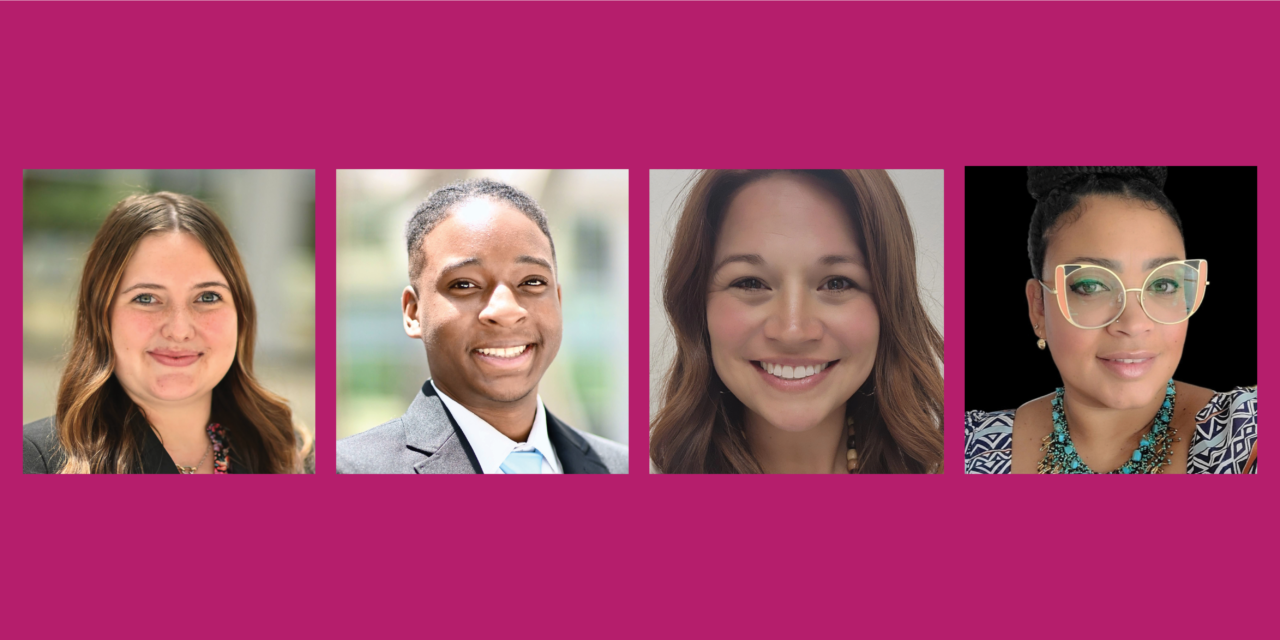
“I would make lunch free for every student and staff member. I strongly believe that the stress of paying for lunch every day weighs heavily on parents and students. If that stress was eliminated, students would have one less thing to worry about at school. At the end of the day, the last thing they should be worried about is if they can afford a $3.50 burger at lunchtime.” Educators Rising National President Journey Harris, sophomore, Tarleton State University, Stephensville, Texas.

“If I could change one thing, it would be to implement practical life skills into the state or district curriculum. This is one of the most important issues because it prepares students for real-world challenges after high school graduation. By focusing on this, we can help students become better equipped to face the challenges of tomorrow’s world.” Educators Rising Vice President of Service Char’Tayvious Edwards, freshman, Meridian Community College, Meridian, Mississippi

“If I could make a change in education right now, it would be to increase the focus on individualized learning. Implementing personalized learning plans for students to cater to their unique strengths, interests, and learning styles can have a profound impact on their educational experience. By tailoring education to each student’s specific needs, we can help maximize their potential and foster a genuine love for learning. This approach not only enhances academic achievement but also supports the holistic development of students, preparing them to thrive in an ever-evolving world.” Emerging Leader Vanessa Buttler, education & training pathway teacher at Cleburne High School, Cleburne, Texas

“I think there are two changes that would have positive impacts. One would be intentional bridging of research and practice. Working between academia and PK-12 education, I have seen a gap between the work of researchers who are no longer practitioners and practitioners who lean solely on personal experiences for making decisions. To me, both approaches can be myopic. Theoretical research is not necessarily effective in the real world. On the flip side, personal experiences can be biased and need to be placed within theoretical and research-based contexts. I am an advocate for practitioner research in education.”
The second, but related, change is that we should stop chasing silver bullets. This country has a unique context. Education cannot look the same in different and diverse communities with varied talents and needs. If we apply one-size-fits-all approaches, national data will tell us that we will see general increases and decreases in achievement from year to year. Disaggregate data, however, shows we have persistent gaps. We need to co-create education with our communities, by recognizing community assets, valuing knowledge outside the mainstream, and sustaining reforms long enough to see positive results.” Distinguished Educator Violet Jiménez Sims, managing director of academic programming at the Connecticut Teacher Residency Program, Hartford
This article appears in the November 2024 issue of Kappan, Vol. 106, No. 3, p. 62.