Thanks to best sellers like Jonathan Kozol’s now-classic Savage Inequalities (1991), many Americans are aware of the need to reduce funding disparities in public education, particularly the resource gaps that divide wealthy suburban districts from the sorts of struggling urban school systems profiled in Kozol’s work. Less often discussed, though, is the plight of rural districts, which also tend to lag far behind in per-pupil spending and other measures of resource equity.
According to the U.S. Census Bureau, one in five Americans lives in a rural community, and according to recent research, 64% of rural counties have high levels of child poverty, compared to 47% of urban counties (Schaefer, Mattingly, & Johnson, 2016). To highlight the kinds of school funding shortfalls that are common in such communities, and to explain the challenges involved in helping rural districts to catch up, we focus here on the situation in our home state of Idaho, where, according to the Idaho State Department of Education, around 72% of school districts and charter schools are considered rural.
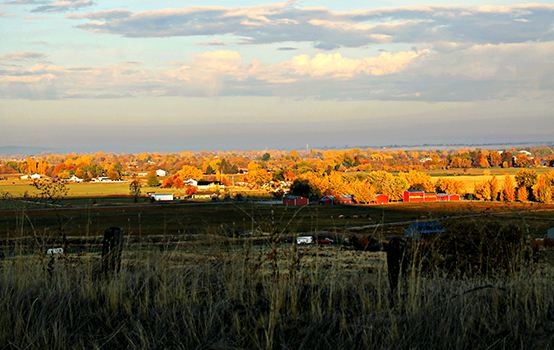
When we imagine rural settings, many of us see rolling hills, babbling creeks, meadows, riversides, and lakes, a vision that leads us to intuit that rural areas are largely devoid of “big city problems.” One of the most rural U.S. states, Idaho is known as a recreational playground, with the deepest river gorge in North America, abundant ski terrain, relaxing hot springs, and riverside hiking trails. However, these features mask the poverty hiding between the ski slopes and riverbanks. Few realize that Idaho, like many such rural states, has a high rate of poverty and faces significant inequities in school funding.
You’ve accessed your three free articles for this month.
If you are a PDK member, login to read more.
If you are not a PDK member, join for full access, in addition to other benefits. Complete our membership form to join.
Forgot your password? Visit the Member Portal to reset your password.
Having trouble? Contact our member services team at memberservices@pdkintl.org or 800-766-1156.