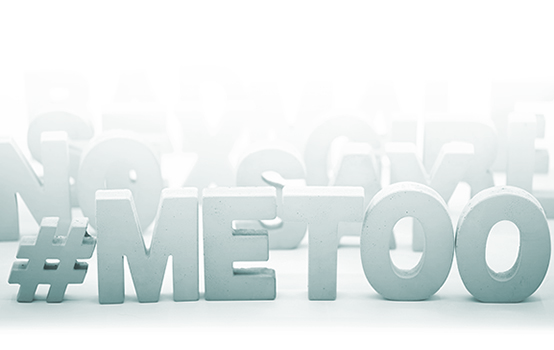
With growing public attention to the issues of sexual assault and discrimination throughout the U.S., along with recent reports of widespread sexual abuse in some school districts (e.g., Jackson et al., 2018), many educators may be wondering what tools are available to address such issues. They would do well to begin with Title IX, which states that,
Title IX has been used numerous times, over four and a half decades, to fight sexual harassment (Davis v. Monroe County Board of Education, 1999; Franklin v. Gwinnett County Public Schools, 1992), sex stereotyping (Theno v. Tonganoxie Unified School Dist. No. 464, 2005), homophobic harassment (Montgomery v. Independent School District No. 709, 2000; Ray v. Antioch Unified School District, 2000), and the exclusion of transgender students from school life (G.G. v. Gloucester County School Board, 2016; Whitaker v. Kenosha Unified School District, 2017).
Still, though, while Title IX’s language may seem perfectly clear, its interpretation, application, and enforcement haven’t always been smooth and straightforward. Because the law has been given varying levels of support under different presidential administrations (Stromquist, 2013), school administrators and board members often view it as an unfunded mandate, which makes many of them reluctant to assign a line in their already constrained budgets to Title IX training and instructional materials.
You’ve accessed your three free articles for this month.
If you are a PDK member, login to read more.
If you are not a PDK member, join for full access, in addition to other benefits. Complete our membership form to join.
Forgot your password? Visit the Member Portal to reset your password.
Having trouble? Contact our member services team at memberservices@pdkintl.org or 800-766-1156.