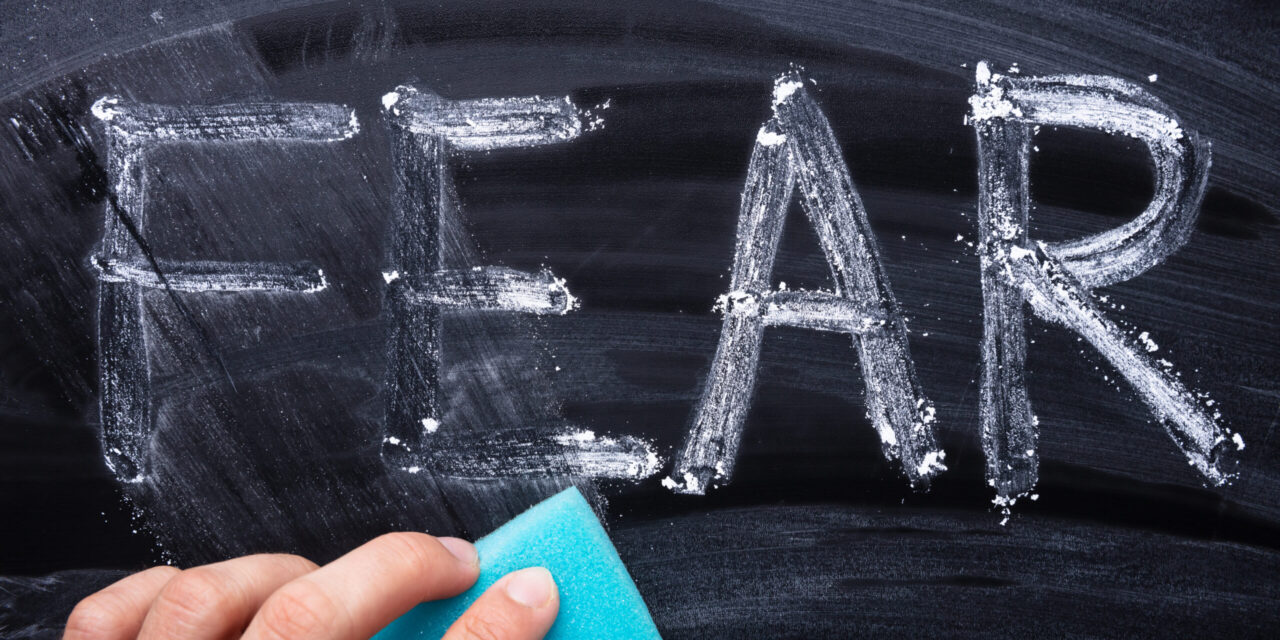
Q: Watching the news, you’d think the entire educational system is broken, and that’s simply not true. As a high school biology teacher, I can assure you that students are still learning, even doing labs. But it seems like every day, I’ll hear something along the lines of “a kid brought in a knife” or “a kid told someone he wants to shoot up the school,” or “security just broke up another fight in the bathroom.” I’m scared of what might happen next because many students are teetering on the edge. I feel like anybody could explode at any time, and on top of that, we’re understaffed. I try to compartmentalize my sense of dread or try not to think at all, but I’m worn down by the effort. After years of reassuring students that they’re more-or-less safe, I think I could use some reassurance myself. I don’t want to walk into the building feeling like this every day. It’s exhausting. I know you can’t promise me that a shooting won’t happen in my school any more than I can promise the kids that, but there’s got to be a way I can work without constantly waiting for something terrible to happen. Do you have any tips for me?
A: If the roles were reversed, you’d reassure your students that the adults in the building are working hard to protect them. You might listen and provide perspective, point to policies and procedures that are designed to keep them safe, or suggest distractions that could give them a break from worrying. I can understand why you need that same kind of reassurance. You’re not only working with students who are off-kilter and more prone to violence, but you’re also understaffed and worn out. And while you’re right that I can’t promise you that nothing bad will happen, I can give you some tools to help yourself when you’re feeling scared.
First, it’s human nature to imagine the worst-case scenario, so try to imagine a different outcome. For example, if you find yourself thinking, “It’s just a matter of time before someone shoots up the school,” consistently challenge that thought. Come up with a more balanced statement such as, “While there have been more fights lately, it’s statistically unlikely that a school shooting will happen here.” Possibility doesn’t equal probability. Even if you don’t believe what you tell yourself, the exercise can help you learn to think more flexibly. You also can try distracting yourself. Play relaxing music in the classroom (which could help students, too), complete a word puzzle, talk to a colleague who has a calm demeanor, or think about people you love and meaningful experiences you’ve had. You can even set a timer for 60 seconds and try coming up with five places that make you feel happy.
When you can’t get out of your own head, focus on the things you can control. For instance, you can stay aware of your surroundings, review safety protocols, take a crisis training course and limit your exposure to upsetting news. You also can focus on preventative measures, whether that means supporting an emotionally struggling student, reminding kids that if they see something, they should say something, or fold conflict management and communication skills into the curriculum.
Take breaks from worrying, too — even write your worries down on a piece of paper and put them in the freezer and “on ice.” You’ll also fare better if you’re well-rested, make time to connect with people who care about you, eat food that gives you energy, and get sunlight and exercise. But if you’re having nightmares, sleeplessness, difficulty functioning at work, physical problems, or you’ve lost interest in activities you once loved, then you may want to seek help from a mental health professional.
Click here for more Career Confidential
Have a question that you’d like Career Confidential to answer? Email contactphyllisfagell@gmail.com. All names and schools will remain confidential. No identifying information will be included in the published questions and answers.
ABOUT THE AUTHOR

Phyllis L. Fagell
Phyllis L. Fagell is the school counselor at Landon School in Washington, D.C., a therapist at the Chrysalis Group in Bethesda, Md., and the author of the Career Confidential blog. She is also the author of Middle School Matters and Middle School Superpowers, available at https://amzn.to/3Pw0pcu.