This is #CoveringCOVID19, a daily update from The Grade to help education journalists cover the shutdown of the nation’s schools.
THE TOP FIVE
Here are five great education stories about how schools are responding to the COVID-19 crisis:
 When Siblings Become Teachers – The 74
Houston-area schools scramble for hotspots so students don’t fall behind – Houston Chronicle
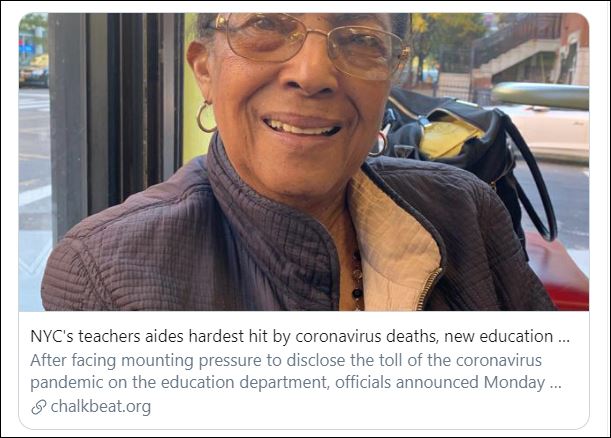
NYC’s teachers aides hardest hit by coronavirus deaths, new education department figures show – Chalkbeat
An immigrant community faces a ‘catastrophic’ pandemic without help – Washington Post
Remove internet barriers for undocumented families, Colorado teachers unions urge – Chalkbeat
“A HUGE JUMP”
Looking back at the past month since most schools shut down, what’s happened sometimes looks like a shitshow and other times like something of a miracle.
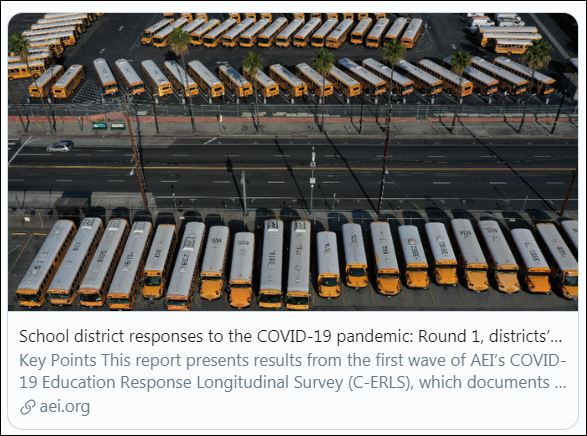
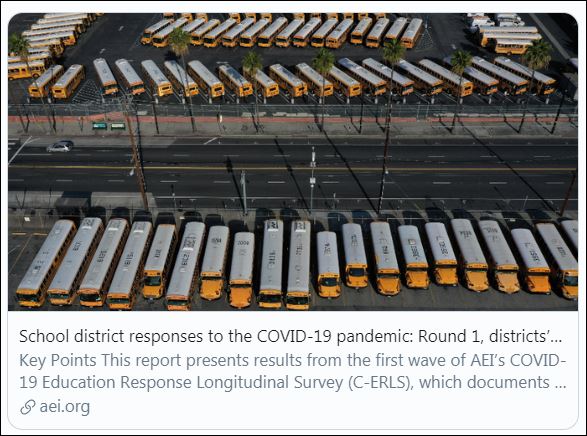
One helpful source of information on the fast-moving situation is AEI’s nationally representative sample of district plans, which is much less weighted toward urban schools than the University of Washington database.
The first wave of findings, released last week, is here. “Eighty-two percent of public schools provided some type of meal service for students as of March 27,” according to the first wave of results. At that time, “42 percent of schools were in districts offering a type of remote education to students, and another 30 percent had planned, but not yet provided, educational content.”
The second wave is coming out tomorrow. According to Nat Malkus, who heads the effort for AEI, the new results show “a huge jump” in the percentage of districts that have mounted instructional programs over the past two weeks. Packets and asynchronous learning are the two dominant modes, with live video teaching a small but growing aspect.
IS ANYONE OUT THERE?
More outlets seem to be reporting on student participation in district remote learning programs, which is a very good thing. The 74 gave a good overview the other day, noting that “some systems, like DCPS , have completely ceased taking public attendance, and in others, like the Charlotte-Mecklenburg School District in North Carolina, remote learning is optional and teachers are therefore not required to check in with students.” Chalkbeat delved into the topic in a recent story, Present or absent? With schools closed, some districts stop tracking attendance, while others redefine it. Last week, freelancer Bekah McNeel wrote for The Grade about the challenges of obtaining student participation figures from districts. She tried seven districts and got data back from one (Atlanta Public Schools). Most recently, the Wall Street Journal gave us an overview: How Many Kids Attend School Each Day? During Coronavirus, No One Knows.
DAY 1 IN CHICAGO
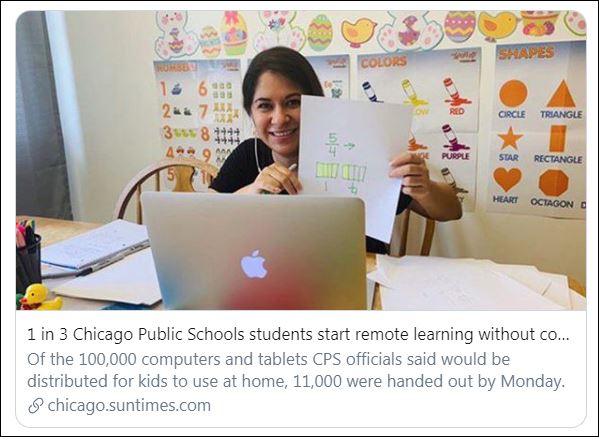
Yesterday was Chicago’s first day of remote learning, after almost a month, and it’s not going very well from what I can tell. Check out coverage from the Sun-Times, WTTW, CBS2, CBS, and the Tribune.
TIDBITS
 Check out Chalkbeat’s Matt Barnum on the new @LateBellPod episode, talking about what past research on learning loss suggests the US educational system faces heading into the fall after so much time out of school.
“Where there were gaps, they are widening. Where there were shortages, they are deepening. Where there were struggles, they are intensifying.” That’s freelance writer Bekah McNeel in The Grade, writing about how and why COVID coverage should address “preexisting conditions” in education.
That’s it! See you back here tomorrow. Sign up for the weekly email, Best of the Week, which comes out Fridays around noon Eastern.
ABOUT THE AUTHOR

Alexander Russo
Alexander Russo is founder and editor of The Grade, an award-winning effort to help improve media coverage of education issues. He’s also a Spencer Education Journalism Fellowship winner and a book author. You can reach him at @alexanderrusso.
Visit their website at: https://the-grade.org/