The question of whether or not to reopen our public schools has sadly become —along with social distancing and the wearing of face masks —a political weapon. The country was already at war with itself over COVID-19, institutional racism, and rampant inequality, and now our federal leaders have stirred up yet another political fight over when and how to reopen schools.
On July 8, the distinguished medical practice of Trump, Pence, and DeVos assured everyone that when it comes to protecting the health of children, teachers, and school staff, they know best. Undeterred by their lack of medical training and their scant experience with public education, they indignantly scolded the Centers for Disease Control and Prevention and other experts who’ve urged a cautious approach to deciding when to invite children back to the classroom. At a time when both families and educators are confused and nervous about how to safely reopen schools, the administration performed their patented “us vs. them” routine, stirring up conflict to divide Americans and consolidate their own political base. The truth is most educators and families want to see the schools reopen; they just want to make sure everyone is as safe as possible when that time comes.
Unfortunately, the administration seems to be less interested in helping schools than in shaming and bullying them into doing what they want. Among federal officials, that’s nothing new: Secretaries of education under George W. Bush heaped abuse on the public schools to rally support for No Child Left Behind, and Barack Obama’s team played the shame game to justify Race to the Top and its high-stakes teacher evaluations. Betsy DeVos, however, has elevated the political use of shaming and bullying to an art form.
For instance, in the early days of the pandemic, she chastised state and local leaders when they expressed concern about how they would provide special education services while sheltering in place. Instead of offering useful guidance and support, she called on them to use their “ingenuity, innovation, and grit.” Since, at the time, it took great ingenuity and grit just to find toilet paper, the advice was both annoying and insulting. Personally, I think the secretary was right not to waive federal special education requirements, but she could have offered these struggling leaders something more useful than cheap motivational sentiments. School leaders’ concerns about how to safely provide special education services are legitimate, and there are not a lot of answers out there.
Shockingly, the president’s July 8 remarks also included a threat to withhold federal funding from school districts that choose not to open this fall. For an administration that has spent so much time and energy talking about the need to give state and local leaders more control over their decision making, the irony is rich. Not only has Trump refused to listen to and work with education leaders on these complex and difficult issues, but according to his spin, school officials who express concern for their teachers, students, and community are just not up to the task and don’t deserve federal support. Yet again, the administration prefers to treat education as a battleground, provoking conflict instead of offering guidance and support.
State and local leaders will make the real decisions about how schools open, and they will have to figure out how to manage it all.
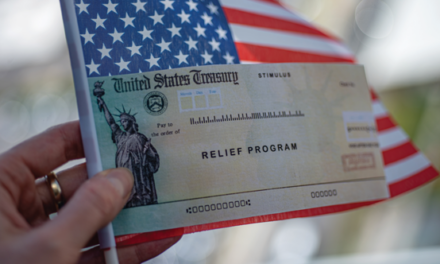
In reality, any effort to withhold federal funds from school systems that choose not to open because of health and safety concerns is likely to fail. Not only would such an action represent federal overreach, but it would also amplify and reinforce a reality that many Americans are finally waking up to: Low-income families are going to feel the pain of reopening more than anyone else. According to estimates from The School Superintendents Association (AASA), the average school district will need an additional $1.78 million dollars to meet the COVID-related expenses of reopening schools. Since funding formulas for public schools are inequitable even under normal circumstances, state and local budget cuts due to the pandemic will only make those gaps wider. And while the additional costs of keeping students and teachers safe this fall will be difficult for any community to bear, the school systems that serve the most at-risk students will bear the heaviest burden.
No matter how hard the administration pushes leaders to reopen schools, their words represent little more than political theater. State and local leaders will make the real decisions about how schools open, and they will have to figure out how to manage it all. My conversations with school system leaders in recent weeks have covered a litany of details, logistics, and challenges that would stop even the most seasoned CEO dead in their tracks. If there ever was an “all hands on deck” moment for education, this is it. For over 50 years now, the PDK Annual Poll of the Public’s Attitudes Toward the Public Schools has shown that Americans value public education, support teachers, and are willing to strategically invest in their public schools. This may be the moment when those attitudes are truly tested.
ABOUT THE AUTHOR

Maria Ferguson
Maria Ferguson is an education policy researcher, thought leader, and consultant based in Washington, DC.