“Intrinsic and extrinsic motivation from a self-determination theory perspective”
By Richard M. Ryan and Edward L. Deci (Contemporary Educational Psychology, 2020: 61)
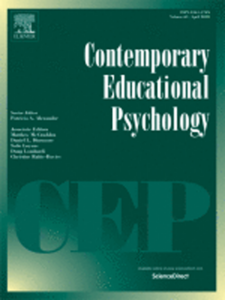 Self-determination theory (SDT) is a robust framework that can help inform the design of teaching and learning environments that support students’ and teachers’ psychological wellness. Richard M. Ryan and Edward L. Deci’s vast body of research covers a variety of cultural contexts and makes a strong case for reconsidering traditional educational models that inadequately address the psychological needs of the individuals within systems. Their asset-based theory demonstrates that human beings are inherently oriented toward learning and growth and that the extent to which our basic psychological needs are met affects our motivation.
At Challenge Success, our work has been influenced by this groundbreaking research, and we have designed many of our interventions around the concepts of autonomy, competence, and relatedness. We believe that by adjusting setting-level policies and practices that address well-being, belonging, and engagement — for students and educators alike — we have the greatest chance of rebuilding an educational system where all can thrive.
This article appears in the February 2024 issue of Kappan, Vol. 105, No. 5, p. 7.
ABOUT THE AUTHORS

Sarah Miles
Sarah Miles is the director of research at Challenge Success. She is a co-author of Overloaded and Underprepared: Strategies for Stronger Schools and Healthy, Successful Kids (John Wiley and Sons, 2015).
Caitlin Ciannella
Caitlin Ciannella is the director of advancement at Challenge Success.