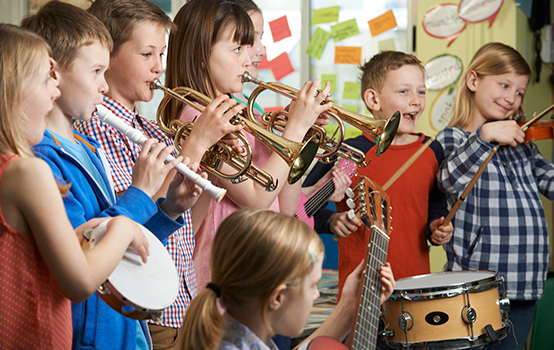
Academics aren’t the only way to learn at school.
I am a high school student, a member of my local Future Educators Association® (FEA) chapter, and I am headed to college in the fall where I plan to study early childhood education because I believe that is the best time to help students get started toward a good education.
By now we all know that the school system’s money is tight, and academics, especially doing well on tests, have become very, very important. Academics aren’t everything. The extracurricular activities are very important, too.
Extracurricular activities are an addition to students’ normal day-to-day school activities (academics). Ever think of extracurricular as being boring or not your thing? Well here are a few reasons why you should maybe reconsider.
Extracurricular activities can help students keep good grades, stay out of trouble, motivate us to work harder and strive to do better. They help with leadership and teamwork skills, and they also help us build our resumes and develop relationships with people (adults) who will act as references. Students: All of these pointers can help you become a better you. These activities could be sports, clubs, or even programs outside of school.
What is wrong with challenging yourself or trying something new? You never know; you may have a hidden talent you didn’t know about or an interest you haven’t yet found. That’s the joy of exploration. An extracurricular activity occupies your mind for the better and helps you stay away from bad habits that can be unhealthy and are not beneficial for you in the long run. There is always the issue of “what’s right” for you. Review the options of activities your school has and then see what your community has to offer as well. Find an activity that meets your interests and needs. Think about your interest and goals. What will best help you accomplish your goal? Whatever you choose, do not limit yourself to just one thing. Find activities that fit into your time and your schedule. Even if you don’t necessarily want to “get involved” you can simply put your knowledge and skills to work. Be the president of your class, be a cheerleader or a basketball player, join a club or volunteer to help others. It all counts!
How do you get involved? Great question! If you are still in school, you can talk to your teacher or adviser, and they will have a list at the beginning of the school year of all the extracurricular activities your school offers. See what fits your schedule and see what fits your interests, and go for it!
Good grades
When you are interested in an activity or sport, usually your grades have to meet or exceed some specific standard — if not, you won’t be able to participate. Extracurricular activities also can be an after-school program or an educational program that you decide to be a part of — like science club and the debate team — which can really help your grades tremendously and, in some cases, allow you to earn extra credit. Extracurricular activities can also keep you out of trouble and in the books. And if, like me, you want to become a teacher, structure and focus are keys to staying on task. “You can only become great at something you are willing to sacrifice for,” said Maya Angelou. Maya Angelou is saying, if you’re determined to achieve a goal, you will go for it no matter the cost.
New people, new things!
Extracurricular activities can help make you want to strive for better and greater things. Being in an extracurricular activity will allow you to meet new people and explore and learn new things. The experience is definitely worth the time.
Leadership and teamwork skills are learned throughout your experiences in nearly every extracurricular activity. Having the diverse experiences of being a leader or playing an important role on a team will help you develop the skills you will need to learn to work with others. And you will be mentally equipped for what you need to do to improve your experience in life. “Many hands make a light work,” said the English writer John Heywood. He was saying if you work together the amount of work won’t weigh so heavily on any single individual, but it will reduce the amount of work that all members will have to do. That means that teamwork can really pay off. I was a team manager for the varsity football team. Of course I didn’t put on a uniform or play in the games. But I made an important contribution to the team’s effort and learned about teamwork and leadership. I also have taken part in activities of the Future Educators Association®, which I am sure will help me achieve my career and personal goals.
Resume building
Students need strong resumes for a job or even college. Colleges and universities want to know what kind of person you are, what activities you were involved with in school, and how you carried yourself throughout the extracurricular program. For jobs, employers want to know if you are able to work with others and solve problems by working in groups with people who are different from you and have different experiences. These are reasons that extracurricular activities can really benefit you and open your mind to explore new things. You don’t have to put forth a great deal of effort to something in order to really know if it is for you — whether it is based in academics, sports, or some of the many other interests people have. You should just know that whatever your interests, there is something for you!
Make sure you ask questions! Before joining an extracurricular activity, you may want to ask the adviser of the club or the coach of the sport about the times of practices or meetings, what it costs to participate, and what you actually do in the extracurricular activity. You need to make sure that your activity doesn’t take over your normal academic work and your life. Education comes first and if you are involved in a school extracurricular activity, your coach or adviser will make sure of it. If you end up participating in an activity that turns out to be more than you can handle, then reconsider. It is vital that you balance academics and extracurricular activities. If you ever have to take time away from an extracurricular activity for your school work and academics, be sure to talk to your coach or adviser. I’m sure he or she will understand. Be direct and respectful. Make sure you’re clear on what your issues are. You may not need to completely discontinue an extracurricular; maybe just spending a little less time doing it will get things back in balance.
Being involved in extracurricular activities will help you get ready for your future and to reach your goals.
Citation: Brantley, A. (2014). Student voices: Learning outside the classroom. Phi Delta Kappan, 95 (8), 74-75.
ABOUT THE AUTHOR

Ariel Brantley
ARIEL BRANTLEY is a senior at Howard High School in Macon, Ga., where she is a member of Future Educators Association. Ariel plans to attend Wesleyan College in the fall where she will major in early childhood development.