Q: “I’ve experienced a bit of culture shock when I moved to a new region of the country, where teachers and staff promote their religion by having their whole team pray before a game or have their email signature include a quote from the Bible, which goes out to all staff and students. There are no LGBTQIA+ safe space, club, etc., due to fear of retaliation, bullying, etc.”
- Signed, culture-shocked educator
A: Moving to a new region can be an exciting yet challenging experience. Your concerns about the cultural differences you’ve encountered in the South are valid and reflect a significant shift in your educational environment. Addressing these feelings and finding ways to navigate this new landscape while remaining true to yourself is crucial.
First and foremost, it’s essential to acknowledge that cultural shock is a normal reaction when faced with a new way of life that contrasts sharply with what you’re accustomed to. The integration of religious beliefs into everyday school activities, especially in public schools, can feel overwhelming, particularly if you come from a background where secularism is more prevalent. This experience can raise questions about inclusivity, freedom of expression, and the overall mission of education. Not surprisingly, I can empathize with this culture shock feeling, having moved to a new state a little over a year ago that isn’t as inclusive as New York, where I had lived most of my life. I’m not suggesting that the New York systems I was a part of were always perfect, but we worked hard to ensure that students, faculty, and community felt like they belonged. We didn’t always agree, but we did have space for open dialogue on these topics and were supported.
Understanding the context
Public schools in the United States are meant to provide a neutral environment where all students can feel safe and supported, regardless of their backgrounds or beliefs. However, reality can sometimes differ, particularly in regions where religious beliefs are deeply woven into the fabric of community life. In many states, it’s not uncommon for schools to have traditions that reflect local customs, including prayer before events and religious symbols in communications. This blend of education and faith can create a sense of community for some, but it can feel exclusionary for others, and this dissonance can often make us question the fit of our jobs when they are incongruent with our lives and beliefs.
Finding your voice
Your feelings about the lack of LGBTQIA+ representation highlight the need for safe spaces and open dialogue within educational settings. It’s crucial to remember that you are not alone in your experiences; many people share similar concerns. Here are some strategies to help you navigate this environment:
- Seek allies: Identify faculty members, counselors, or students who share your values and can provide support. Building a network of allies can help create a sense of belonging and offer a safe space to express your concerns. Every person in a school building should feel seen and belong. Of course, this doesn’t always happen, creating real fear. If no allies can be found, it may be time to seek other employment, especially if you feel threatened for being different.
- Engage in dialogue: Consider initiating conversations with the school community about inclusivity and representation if you feel comfortable. Framing your discussions around the importance of diversity and respect for all students can help foster understanding. It also helps to have resources and research to share to make it less personal and more focused on the impact.
- Explore external resources: Look for community organizations or online platforms that support LGBTQIA+ youth. Many organizations offer resources, mentorship, and opportunities to connect with others who share your experiences and challenges.
- Educate yourself and others: Knowledge is power. Educating yourself about local laws, school policies, and the history of LGBTQIA+ rights can help you articulate your concerns more effectively. Sharing this information with peers can also raise awareness and encourage dialogue.
- Practice self-care: Moving through a culturally challenging environment can be emotionally taxing. Prioritize your mental health by engaging in activities that bring you joy and relaxation. Surround yourself with supportive friends and family who affirm your identity.
Navigating fear of retaliation
Your concern about potential retaliation for expressing your identity is entirely justified, especially in a climate that may not be welcoming. It’s essential to assess your situation carefully and consider the safest way to express yourself. If you feel that speaking out could put you in a vulnerable position, weigh the pros and cons of your actions. Sometimes, small changes can lead to more significant conversations over time. It is necessary to be cautious and patient until you know the full extent of how folks will respond before opening up publicly about your concerns. Your safety is of the utmost importance.
The bigger picture
While it may feel disheartening to encounter such stark cultural differences, it’s important to remember that change often starts with individuals willing to speak up. Your experiences and voice are valuable, and by sharing them, you contribute to a broader conversation about inclusivity and acceptance in education.
Navigating a new educational environment infused with cultural and religious beliefs that differ from yours can be daunting. However, by seeking support, engaging in dialogue, and prioritizing your well-being, you can carve out a space for yourself and others who may feel similarly. Change takes time, but every effort counts in fostering a more inclusive and understanding community. There are people who see you and support you, no matter what.
Take care and remember that your voice matters.
Have a question that you’d like Career Confidential to answer? Email ssackstein@educatorsrising.org. All names and schools will remain confidential. No identifying information will be included in the published questions and answers.
ABOUT THE AUTHOR
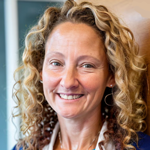
Starr Sackstein
Starr Sackstein is the Massachusetts state coordinator for PDK’s Educators Rising program, COO of Mastery Portfolio, an education consultant, instructional coach, and author. She was a high school English and journalism teacher and school district curriculum leader. She is the author of more than 15 educational books, including Hacking Assessment (Times 10, 2015), Making an Impact Outside of the Classroom (Routledge, 2024), and Actionable Assessment (Routledge, 2026).
Visit their website at: https://www.mssackstein.com/