
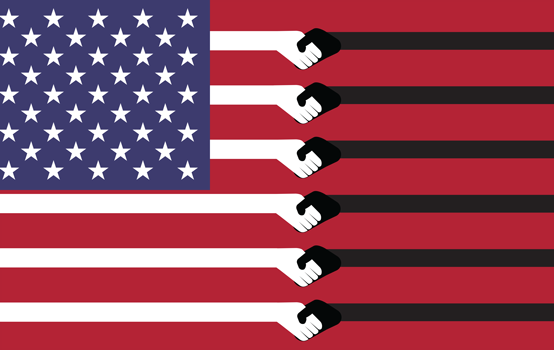
As the recent and ongoing uproar over the teaching of critical race theory (CRT) makes clear, we Americans are bitterly divided over how we should think about our racial history and its continuing influence on our lives. Clearly, the subject of race remains, as ever, a national lightning rod, especially when it comes to deciding what our children should be taught about the country’s past.
It may be comforting to imagine that when school leaders and teachers consider what to include in the curriculum, they tend to rely on a consensual, evidence-based process, in which diverse perspectives are considered and those involved are committed to reaching a sensible agreement on the essential question: What content, skills, and dispositions should young people learn? In reality, though, the curriculum has always been a battlefield, and the current dispute over CRT is just the latest in a long history of disputes about what students ought to be taught.
However, and as I explain in the following pages, while it’s important to remind ourselves just how contentious these discussions have been in past decades, we must also recognize what is new and distinct about today’s curriculum battles. Much is at stake in the current attacks on CRT, and it’s far from clear how educators should respond to those attacks, given that the combatants are not necessarily guided by the norms of civil discourse.
You’ve accessed your three free articles for this month.
If you are a PDK member, login to read more.
If you are not a PDK member, join for full access, in addition to other benefits. Complete our membership form to join.
Forgot your password? Visit the Member Portal to reset your password.
Having trouble? Contact our member services team at memberservices@pdkintl.org or 800-766-1156.