Q: I’m a 9th-grade English teacher and like to make myself available for academic, emotional, and social support for students. I always give extra help as requested, invite kids for lunch in my classroom if they’re feeling lonely or I can see that they’re not themselves, check in with them in the halls, and try to stay connected with their parents, who I consider my partners in all of this. The transition to high school is tough for many students, especially those who are on the younger side in terms of their maturity or capacity for executive functioning, and sometimes they fall behind or get overwhelmed. I field a lot of parent questions and meet freely with parents when this happens. I recognize that I’m probably more involved with my students and their families than many of my colleagues, but it works for me and it works for the kids, and I’m comfortable with how I handle myself as a professional. I’m not looking to mess with a functioning formula. However, I have no idea how this translates to supporting my students in the time of the COVID-19, school closures, and distance learning. What is the equivalent? Where do I draw the line? I want to make sure I’m aware of the potential pitfalls, especially as I know this will be an anxiety-producing situation for many, including myself, to be honest. My school hasn’t really said much, and beyond avoiding obvious violations like engaging with students on social media, I’m not totally clear what will and won’t be allowed by my district. I may get clearer instructions at some point, but for now, I’m wondering: What’s your opinion on navigating the coronavirus pandemic?
A: For what it’s worth, school counselors are wrestling with the same questions as they try to sort out the legal and ethical ramifications of trying to provide services remotely. Much like counselors, teachers need to be aware of their limitations. When you’re at school, you can observe kids in person. That makes it far easier to assess whether they’re experiencing a moment of frustration or an extended period of despondency. Their parents or guardians are now in a better position to assess risk.
That said, teachers can still be a source of support. As you have noted, different educators set different boundaries, but everyone has to abide by school policies. The same will hold true during this time of distance learning. Here are some ways you can continue to be a support for your students from afar.
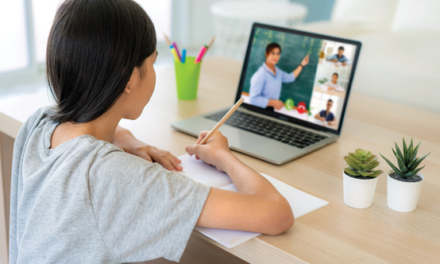
- Do regular check-ins with your students via email, phone, or video conference (whatever methods your school permits and recommends) to ensure they’re managing the workload and weathering the change.
- Give students practical support, from helping them set up a remote learning schedule, to providing online learning resources, to showing them grace if they struggle with organization during the transition.
- Tell students they can reach out to you if they’re struggling emotionally, but let them know that you may contact their parents if you’re worried about them. When that happens, give them the option to be part of that conversation.
- Use your student support team. The counselor can’t provide remote therapy, but they can help parents preserve their child’s emotional health. For example, they can provide resources including psychoeducational links and/or names of therapists and other health care providers. They also know how to use emergency channels when a child’s immediate safety is at stake.
- Stay in regular contact with your administrators. If they start hearing concerns about a specific student from multiple teachers, they might be the first to realize that kid is in trouble. Don’t attempt to manage an acute situation on your own, and never promise a student you won’t get back-up help.
- Remind your students to get exercise, sleep, eat well, and generally practice self-care. Make it obvious that you prioritize their emotional well-being. For kids who feel socially isolated under normal conditions, this period could be even tougher. Keep in mind, too, that students will be spending more time interacting with one another online. Pair that with a higher level of stress, and they may be more likely to post or text something damaging or mean. You can’t eat lunch with your students, but you can remind them all to be kind to one another and to check any negative impulses.
- Finally, recognize that you and your colleagues also may be experiencing feelings of sadness, anxiety, or depression during the shutdown. Take good care of yourself and one another so you all feel better equipped to practice patience and stay strong for your students.
For more Career Confidential: http://bit.ly/2C1WQmw
Have a question that you’d like Career Confidential to answer? Email contactphyllisfagell@gmail.com. All names and schools will remain confidential. No identifying information will be included in the published questions and answers.
ABOUT THE AUTHOR

Phyllis L. Fagell
Phyllis L. Fagell is the school counselor at Landon School in Washington, D.C., a therapist at the Chrysalis Group in Bethesda, Md., and the author of the Career Confidential blog. She is also the author of Middle School Matters and Middle School Superpowers, available at https://amzn.to/3Pw0pcu.