When employees — no matter their job, position, or role — have the autonomy to make decisions about their daily tasks, they are more likely to be creative, productive, and committed. Employee autonomy is strongly related to job satisfaction and higher retention rates. It encourages and builds creativity, leading employees to solve problems that only they, as the ones closest to their work, can solve.
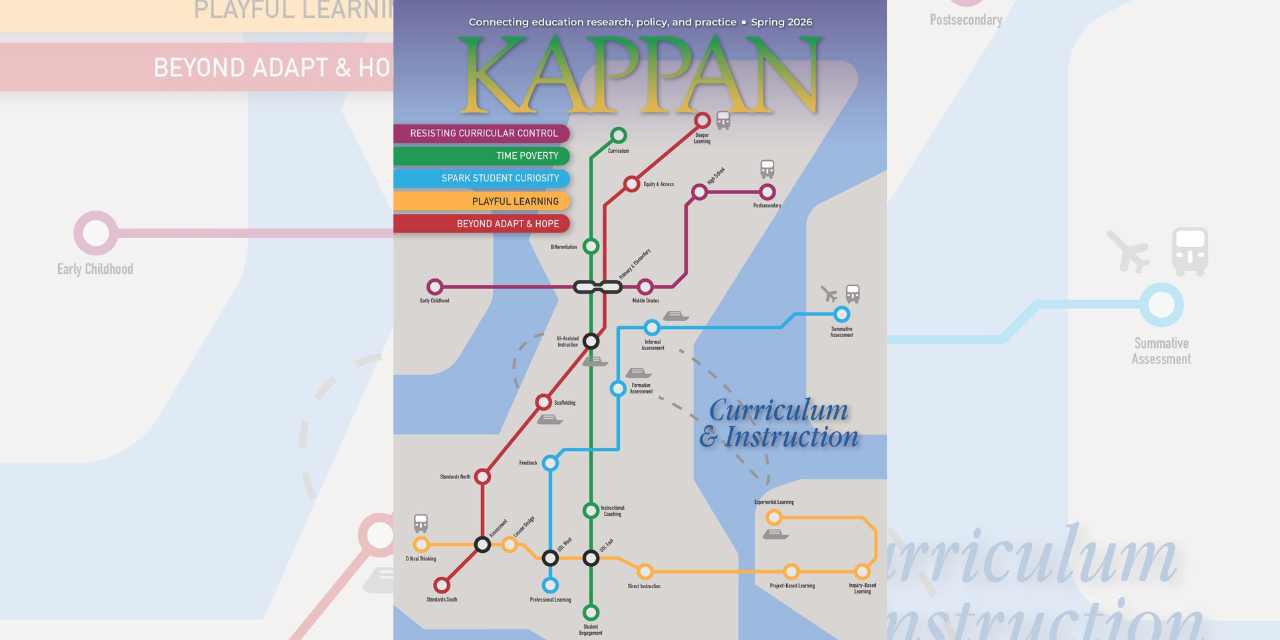
When I started to edit the articles in this issue related to our theme of curriculum and instruction, I wasn’t expecting to think about workplace autonomy. Our lead article, “Educator resistance to curricular control,” by Andrew P. Huddleston, Stephanie Talley, Sara Edgington, and Emily Colwell, changed my mind.
The authors researched instances of teachers quietly or overtly resist prescribed curriculum programs, or what they refer to as principled resistance to curricular control. They note a few instances of outright refusal to teach lessons as required. However, most other examples fall under three categories: strategic compliance, strategic redefinition, and strategic compromise.
You’ve accessed your three free articles for this month.
If you are a PDK member, login to read more.
If you are not a PDK member, join for full access, in addition to other benefits. Complete our membership form to join.
Forgot your password? Visit the Member Portal to reset your password.
Having trouble? Contact our member services team at memberservices@pdkintl.org or 800-766-1156.