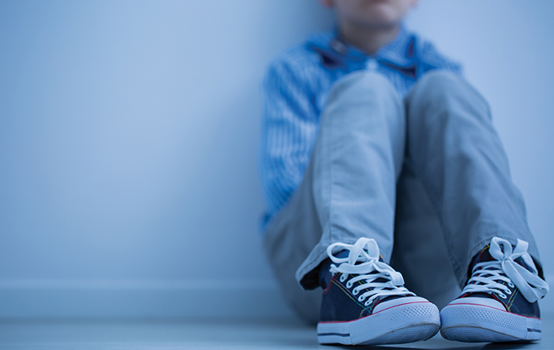
What’s a teacher to do when difficult experiences in early childhood prevent children from entering kindergarten with the executive functions they need?
In the fall of 2015, a front-page story in the New York Times reported on the challenge a kindergarten teacher in Brooklyn faced in dealing with a difficult new student (Taylor, 2015). From the time the six-year-old girl started kindergarten, she “struggled to adjust to its strict rules. She racked up demerits for not following directions or not keeping her hands folded in her lap. Sometimes, after being chastised, she threw tantrums. She was repeatedly suspended for screaming, throwing pencils, running away from school staff members or refusing to go to another classroom for a time-out.”
Many kindergarten teachers have had similar experiences with children who simply don’t seem ready for kindergarten. But they may not understand the complex developmental processes that can contribute to the troublesome, and no doubt disruptive, behaviors this child exhibited. How do social and biological factors interact to affect children’s behavior, and what are the brain structures and functions involved?
You’ve accessed your three free articles for this month.
If you are a PDK member, login to read more.
If you are not a PDK member, join for full access, in addition to other benefits. Complete our membership form to join.
Forgot your password? Visit the Member Portal to reset your password.
Having trouble? Contact our member services team at memberservices@pdkintl.org or 800-766-1156.