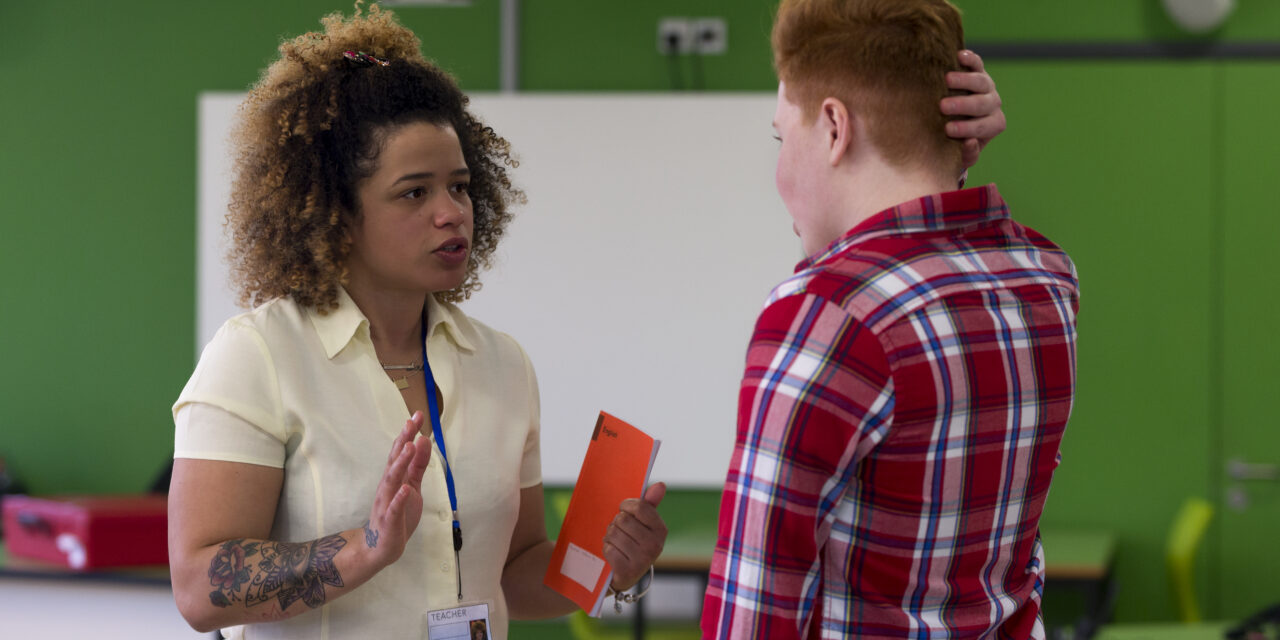
Q: “How can we protect the educational process for all students when discipline issues often get in the way?”
Signed, A frustrated dean of students
A: Discipline issues in schools can disrupt the learning environment, making it difficult for educators to teach and students to learn. While maintaining order is essential, it’s equally important to ensure that disciplinary measures don’t overshadow the primary goal: fostering a productive and inclusive educational experience for all students. Below are actionable strategies to protect the academic process while addressing discipline effectively.
Early in my career, I learned that when behavior or attitude challenges existed in my classroom, the last thing I wanted to do was send that problem out. Instead, I always handled these challenges myself, except for extreme cases, and students knew that if they behaved in a way that disrupted the educational experience of others, steps would be taken to remedy that harm. I was never cruel or inappropriate, but rather curious and interested. Students don’t act out just because they feel like it; there is always a reason. Our job is to figure out what it is and work together to find an appropriate solution.
Read on to learn how to create an environment in which all students’ voices are heard, and their learning experiences are protected.
Build strong relationships
Strong relationships between educators and students are the foundation of a positive classroom environment. When students feel valued and understood, they are more likely to engage positively and follow rules. It also helps when the students are involved in creating the “rules” or the parameters in which this environment will thrive.
To build these connections, start by greeting students by name every day. This small gesture fosters a sense of belonging. Additionally, regular check-ins should be held with students who struggle behaviorally to understand their challenges and offer support. Peer mentorship programs also can help create a supportive culture where students encourage one another.
It’s essential to be an observer first. When you notice anything that is out of place, wonder about it—ask about it before it turns into a behavior challenge. When we know our students well, we can pick up on any disturbance in the force, address it head-on, and give students what they need before it turns into a class problem. Preventing disruptions is far more effective than reacting to them after they occur. Proactive classroom management strategies can minimize behavioral issues before they arise.
Begin by setting clear expectations from the first day of school. Visual cues, such as traffic light systems or nonverbal signals, can redirect behavior without interrupting the flow of a lesson or calling that child out in front of the class, which can also be a trigger. Incorporating movement breaks can help reduce restlessness and maintain focus for younger students. This also is effective for students of all ages with focus and attention challenges.
Foster a positive school climate
A welcoming and inclusive school environment reduces the likelihood of disruptions and encourages positive behavior. Celebrate small wins to reinforce good behavior and motivate students. Designate safe spaces where students can decompress when feeling overwhelmed. School-wide initiatives, such as kindness campaigns or anti-bullying programs, also promote a culture of respect and cooperation.
Adopt restorative practices
Traditional punitive measures often fail to address the root causes of misbehavior. Restorative practices, on the other hand, focus on repairing harm and rebuilding relationships. One effective method is holding restorative circles, where students and teachers discuss conflicts and collaboratively find solutions. Encourage students to reflect on their actions and take accountability by making amends. For these practices to be successful, staff training must be provided to ensure consistency across the school. And it always helps if staff are involved in these practices, seeking to de-escalate instead of being a part of the problem. Sadly, I’ve known a few teachers who fuel the fire when students are worked up, which only creates a bigger problem.
Differentiate discipline
A one-size-fits-all approach to discipline can alienate students who need tailored support. Recognizing individual needs is key to effectively addressing behavioral issues. We know this to be true with classroom instruction, so why should our discipline practices differ? Consider underlying factors such as trauma, learning disabilities, or home environments when addressing misbehavior. Instead of defaulting to suspensions, explore alternatives such as in-school counseling, behavior contracts, or restorative conferences. Collaborating with families to create individualized behavior plans can lead to more sustainable improvements.
Parents and community members also play a crucial role in reinforcing positive behavior outside the classroom. Host workshops for parents on strategies to support their child’s behavior and academic success. Invite community leaders to mentor students or share their experiences, providing students with positive role models. Regular communication with families—highlighting challenges and progress—helps build a collaborative approach to discipline. Over the years, I have found that positive phone calls home, particularly to families accustomed to negative calls, improve such relationships. Remember that this is someone’s child and treat every child with the love and understanding that you would give a child in your own family.
Leverage data and support systems
Tracking behavior patterns helps identify systemic issues and target interventions where they are most needed. Use behavior logs to spot trends, such as certain times of day or subjects that trigger disruptions. Provide professional learning for teachers on de-escalation techniques and conflict resolution. Partner with counselors, social workers, and other support staff to address students’ emotional and social needs holistically.
Discipline doesn’t have to derail the educational process. By taking steps that help us understand the root causes of various behaviors, we are better able to serve our students in humane and long-lasting ways. The key is balancing structure with empathy, ensuring every child feels supported and empowered to succeed.
What strategies have worked in your school? Share your thoughts in an email to me.
Have a question that you’d like Career Confidential to answer? Email ssackstein@educatorsrising.org or fill out this short form. All names and schools will remain confidential. No identifying information will be included in the published questions and answers.
ABOUT THE AUTHOR

Starr Sackstein
Starr Sackstein is the Massachusetts state coordinator for PDK’s Educators Rising program, COO of Mastery Portfolio, an education consultant, instructional coach, and author. She was a high school English and journalism teacher and school district curriculum leader. She is the author of more than 15 educational books, including Hacking Assessment (Times 10, 2015), Making an Impact Outside of the Classroom (Routledge, 2024), and Actionable Assessment (Routledge, 2026).
Visit their website at: https://www.mssackstein.com/