In this week’s newsletter: Journalists investigate the rise in school segregation on the 70th anniversary of Brown v. Board of Education. A counter-narrative about a conservative school board member who reverses her position. The AP education team that won Pulitzer recognition reveals what makes their work different from everyone else’s. A much-anticipated podcast about the takeover of Houston schools is canceled just ahead of its release without much explanation.
RESEGREGATION 70 YEARS AFTER BROWN
The big story of the week
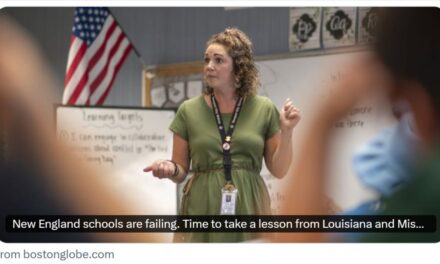
The big education story of the week is how the 70-year-old Brown v. Board of Education ruling has failed to fulfill the promise of school desegregation, despite enjoying widespread popularity and student diversity increases that would seem to promote integration (AP, Washington Post).
Nationally, segregation rates are surpassing rates in the 1980s (Axios, Vox, AP, Richmond Times-Dispatch). The pattern of resegregation coincides with the growth of achievement gaps between Black and white students (Hechinger Report). Exclusionary housing policies and uneven school funding explain part of the problem (USA Today), as does school choice, according to a new Stanford study (Chalkbeat). The ruling also unwittingly contributed to a longstanding shortage of Black male educators (ABC News).
In Minneapolis and St. Paul — which three decades ago were racially integrated — segregation is creeping back up (Axios Twin Cities). In Topeka, Kansas, where Brown v. Board of Ed originated, students of color are largely siloed in districts serving low-income families, perpetuating another kind of segregation (AP).
But there are still schools and districts that are making strides, like a Brooklyn school merger that was part of a successful “intentional integration” effort (Gothamist). With schools across the country set to close or merge amid budget problems, it’s a noteworthy example of what can still be done.
Check out daily links from @thegrade_ for other big education stories of the week, including low graduation rates, immigrant students helping under-enrolled districts, and more talks of school closures and staff layoffs.
WHEN IDEOLOGUES CHANGE THEIR MINDS
The best education journalism of the week
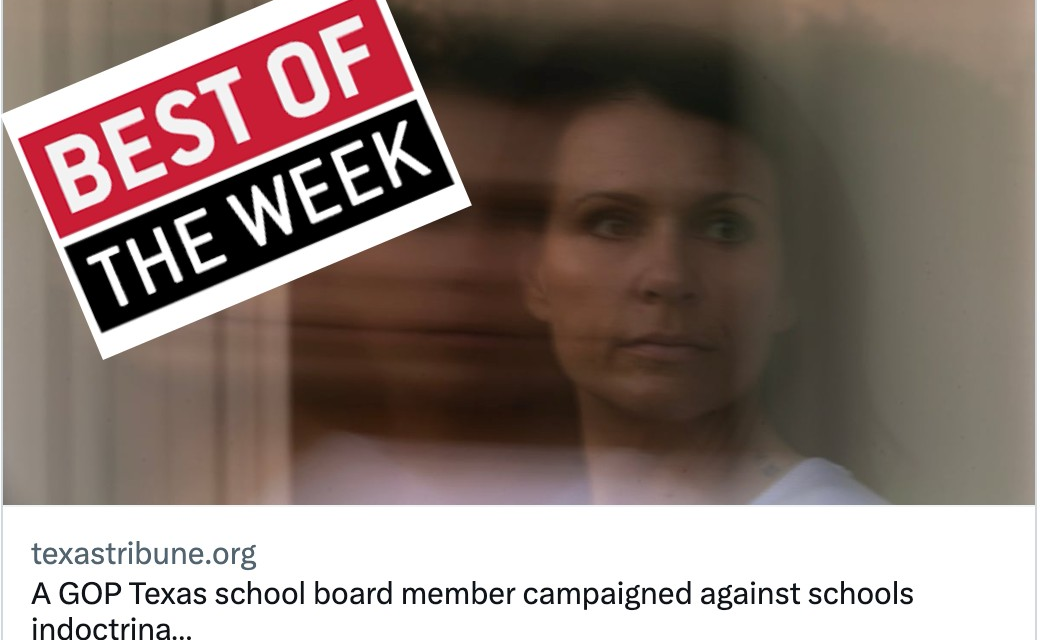
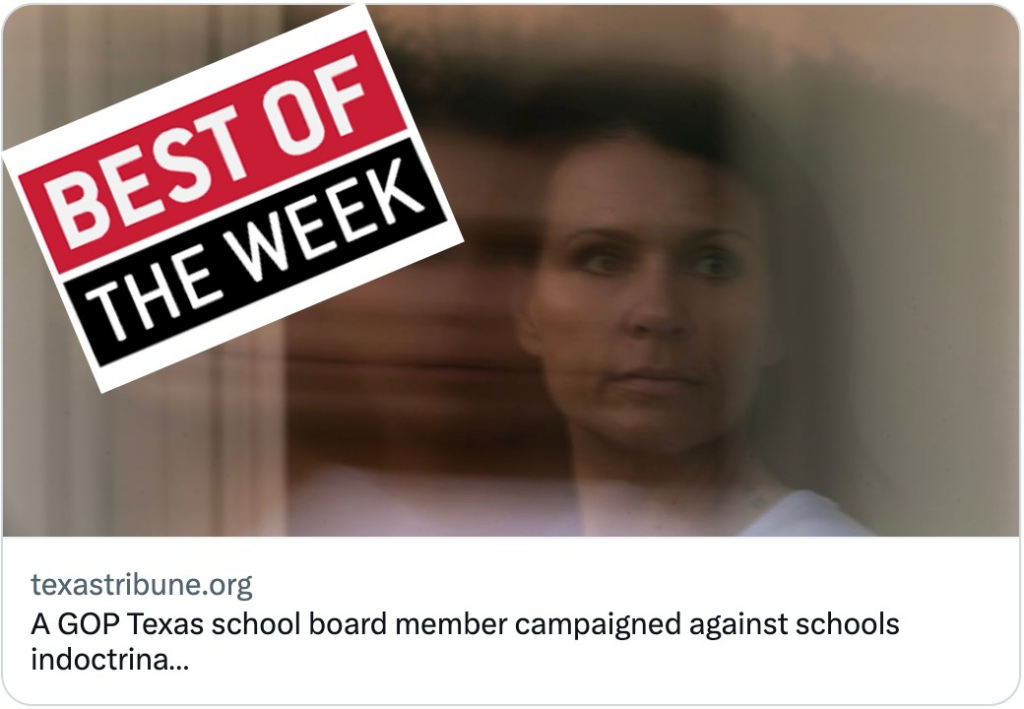
The best education journalism of the week is A GOP Texas school board member campaigned against schools indoctrinating kids. Then she read the curriculum. by Jeremy Schwartz of the Propublica/Texas Tribune Investigative Unit.
In this new counter-narrative, Schwartz lays out the unusual journey of Courtney Gore, co-host of a far-right online talk show who in 2021 won a school board seat in Granbury, Texas, on a promise to weed out “inappropriate messages about sexuality and race” in the curriculum. After the election, Gore actually sat down and read the curriculum. But instead of woke indoctrination, the mother of four found materials teaching empathy, respect, and “how to be a good friend, a good human.
Schwartz deftly details Gore’s highly unusual and public political awakening and her dismay that her supporters would be “relieved” that the curriculum isn’t as bad as they thought. The piece also illustrates something that more reporters should do: it follows up on a hotly contested election to see what happens next. And it offers a gripping look inside a movement built on lockstep loyalty. There’s a surprise ending that will move even the most cynical readers.
This is a mini political thriller and a rare peek into the world of an activist who dares to think for herself. Nuanced stories like this — see also this Washington Post story from March — deserve more frequent consideration.
Other education stories we liked include a district budget saved by an influx of newcomer students (Kansas City Beacon), a look back at the lack of literacy reform in California (Voice of San Diego), an Indianapolis program to protect Black kids from violence (Chalkbeat), and an overview of the nation’s overabundance of schools (WSJ 5/9).

Above, clockwise from top left: Lead AP education reporter Bianca Vázquez Toness, data reporter Sharon Lurye, and section editor Chrissie Thompson.
JOURNALISTS TELL ALL
Our latest columns and commentary
Three sets of journalists shared their insights with The Grade over the past couple of weeks:
💡 The Pulitzer Committee’s surprise recognition of the AP education team was a great opportunity to ask three of them (above) about how they decided to focus on missing kids, how they work together and with other ed teams, and what makes their coverage different from so much of the rest of the education beat. Congrats to them all, and don’t miss out on their candid insights and helpful reflections.
💡 “I don’t agree with the idea that coverage of the school board culture wars has been overblown or exaggerated,” NBC News’ Mike Hixenbaugh told me in an interview the day before the publication of his new book. “But too much coverage didn’t go beyond combative scenes of parents denouncing critical race theory.” Hixenbaugh was everywhere this week, including a segment on MSNBC (All In With Chris Hayes).
💡 Last but not least, check out this new interview with former AZ Republic ed reporter Yana Kunichoff, who recommends a skeptical-minded, parent-first, “agency”-oriented approach to covering choice. She also gives shout-outs to folks producing high-quality choice coverage in Arizona and nationally.
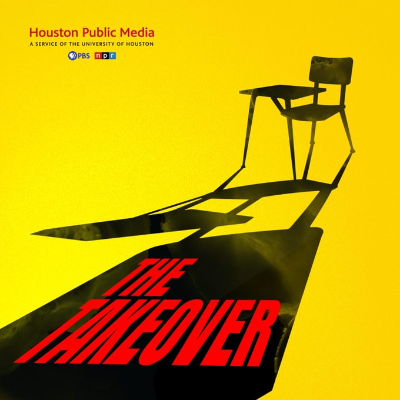
Above: In a cryptic announcement to listeners, Houston Public Media revealed that it will not be releasing its podcast about the state takeover of Houston ISD. A late-April promotion promised “multiple previously unreported revelations.”
PEOPLE, JOBS, & EVENTS
Who’s going where and what’s happening
📰 Segments, podcasts, & appearances: Former Wall Street Journal education reporter Lee Hawkins has a new 10-part podcast series called “What Happened in Alabama?” about his family history and Black America. “All Things Considered” featured KUNC reporter Leigh Paterson in a story about chronic absenteeism. NPR’s Cory Turner went to a remote district in California to see how the teacher shortage is impacting students with disabilities. NPR’s “Weekend Edition” dug into how the FAFSA mess is affecting Black students. WBUR’s “On Point” ran an interesting segment about rethinking how dyslexia is diagnosed. And for listeners in Seattle, a new episode of “Seattle Hall Pass” is out, looking at the potential closure of 20 schools.
📰 Awards: The Washington Post’s Hannah Natanson, Sabby Robinson, and Moriah Balingit (now at AP) won a Peabody Award for their reporting project “Surviving to graduation.” Newsday’s Jim Baumbach, Joie Tyrrell, Dandan Zou, and Grant Parpan won a New York Press Club award for continuing coverage of teacher misconduct on Long Island. Boston Globe reporter Steph Machado won first place in the education news category for the 2024 Rhode Island Press Association contest. Members of Chalkbeat Chicago won a Peter Lisagor Award for best education reporting. The Chicago Tribune and WTTW were also named in the category. Congrats to all!
📰 Career moves: Chastity Prattstarted her first week as education editor for the Washington Post. WBUR’s Max Larkin is leaving the station in the latest round of buyouts. And Amy Russo, who’s been covering education for the Providence Journal since veteran reporter Linda Borg left in 2022, is leaving the paper (and journalism).
📰 Innovations: The Sahan Journal in Minnesota found a novel use for AI — processing thousands of pages of nonprofit tax filings to uncover charter school spending. And PolitiFact — known to fact check politicians and others on ed policy statements — is launching a Spanish language website, which will include a WhatsApp tip line and channel.
THE KICKER
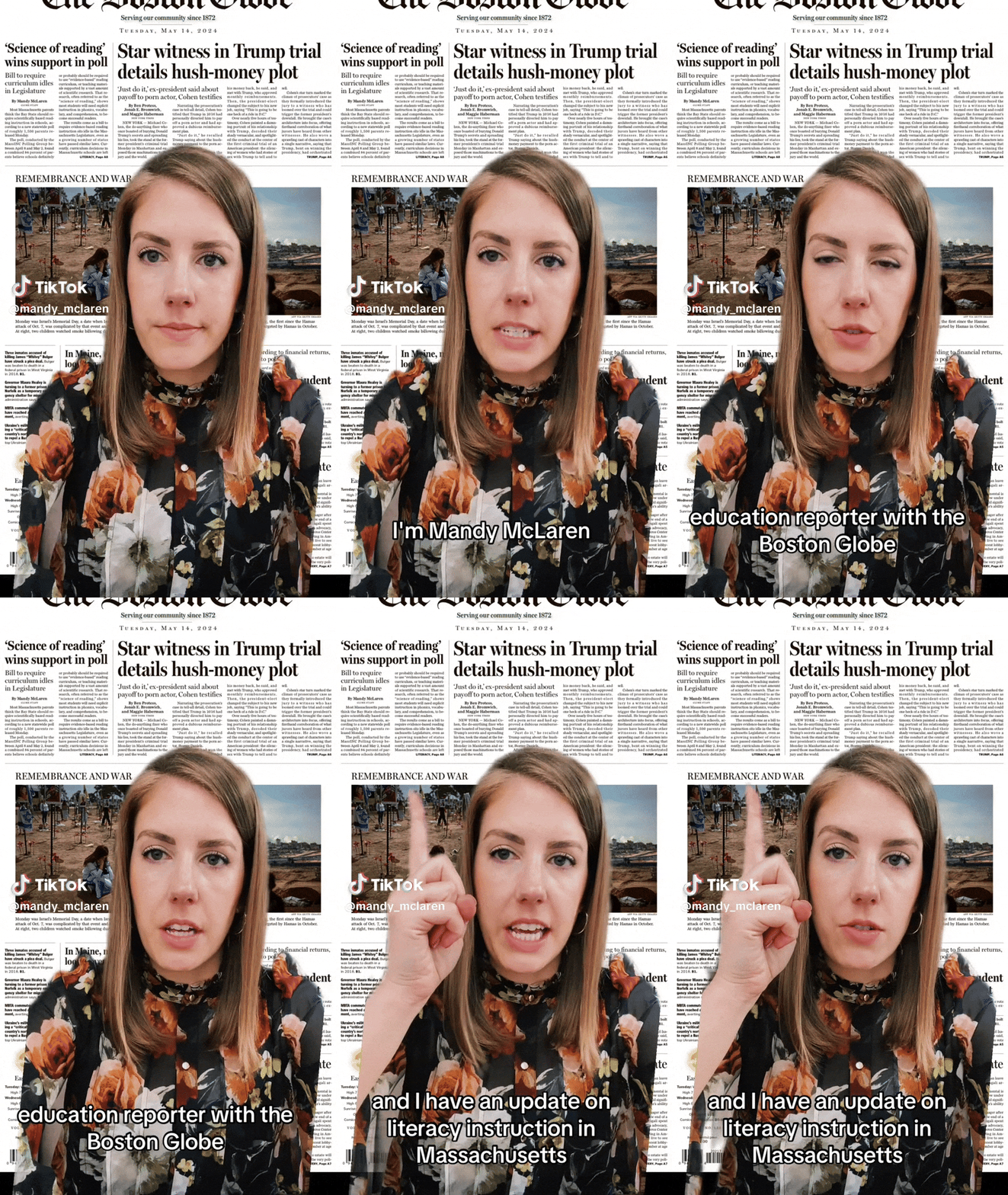
Fearless education reporter Mandy McLaren is back on TikTok! Follow her for more updates on literacy and the “science of reading.”
That’s all, folks. Thanks for reading!
Reply to this email to send us questions, comments or tips. Know someone else who should be reading Best of the Week? Send them this link to sign up.
Using Feedly or FlipBoard or any other kind of news reader? You can subscribe to The Grade’s “feed” by plugging in this web address: http://www.kappanonline.org/category/the-grade/feed/.
Read more about The Grade here. You can read all the back issues of The Grade’s newsletter, Best of the Week, here.
By Alexander Russo with additional writing from Colleen Connolly.