MEDIA TIDBITS
 News outlets like WAMU, NPR, and the Washington Post are doing a great job covering the revelations about truancy, attendance, and inflated graduation numbers in DC public schools, but at some point we’re also going to have to reflect on what role the media could or should have played in exposing these problems earlier. Look forward to a column about this in the near future. News outlets like WAMU, NPR, and the Washington Post are doing a great job covering the revelations about truancy, attendance, and inflated graduation numbers in DC public schools, but at some point we’re also going to have to reflect on what role the media could or should have played in exposing these problems earlier. Look forward to a column about this in the near future.
Ever wondered whether to call something “racist” in your reporting? The CJR’s Alex Neason points us to a great thread on the nuance in making the choice. In it, Code Switch’s Gene Demby talks about how the term can seem vague and insufficient because so much of American society is racist.
Hearing NPR’s Anya Kamenetz talk about her book (about screen time) on the air recently, I wondered what had happened to that NPR policy of not allowing staffers to promote their own books on the air, which had been an issue in the past. According to Elizabeth Jensen, public editor at the station, there’s “no blanket ban.” The policy and process that’s supposed to take place are described here.
Politico NY’s Eliza Shapiro, whose work I generally admire, promises more details on charter advocate Jeremiah Kittredge’s firing in her story, but actually, there’s almost no more information about what got Kittredge fired or what the advocacy group he led will do next. Instead, there are folks taking thinly-veiled anonymous shots. Tell us more — names, details — or leave it out, IMO.
There haven’t yet been any public allegations of sexual harassment in education outlets or among education journalists, but the issue continues to be a hot topic among journalists writ large. This CJR piece describes “the aching banality of harassment in journalism.”
Sharing education stories from the recently shuttered site the Awl — Lessons From a School Shooting, The NYC Public High School with Nine Black Students, and Maybe Teachers Aren’t To Blame For Every Terrible Thing — was always a pleasure. Occasionally, the site also covered issues relevant to education journalism, including a story about the backlash against the popular “Serial” podcast that led me to ponder why This American Life’s much-admired “Harper High” series didn’t get nearly as much criticism.
In last week’s column, I examined the pros and cons of the Spencer Education Journalism Fellowship and found it wanting. One useful perspective that came in too late for the column comes from EdWeek’s Christina Samuels, who was a 2009-2010 fellow in the Knight-Wallace program, another yearlong fellowship. “I’m not sure that I can say that my participation in the fellowship had any direct spillover effects into Education Week, other than the spillover effect of having a happier employee,” said Samuels about her experience. “I think it’s fair for media outlets to ask, ‘What are we going to get out of having our employee participate in this?’”
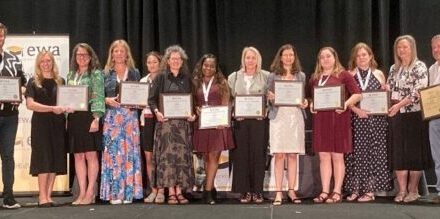
EWA announced that the theme of its 2018 national conference in Los Angeles this spring will be “Room for All? Diversity in Education & the Media,” which a press release described as an opportunity to address “the impact of today’s fast-changing demographic and cultural dynamics — from the classroom to the newsroom and beyond.” |