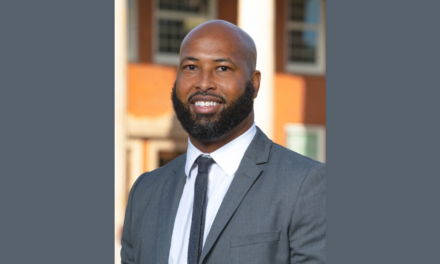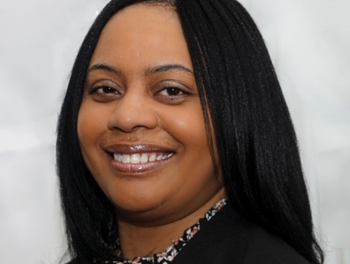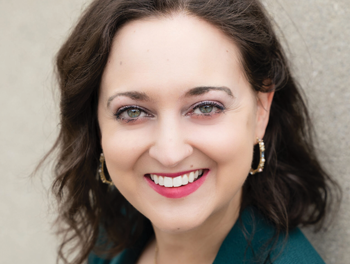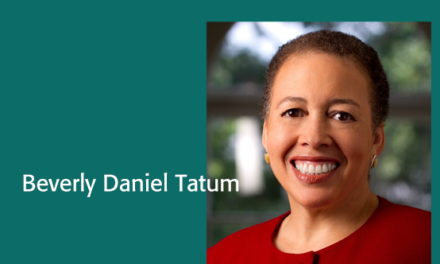
Kappan: Over the last few years, the two of you have teamed up to examine the ways in which network television news programs have covered preK-12 education. That includes an initial quantitative study (Coe & Kuttner, 2018) that maps out the range of education topics that have been covered over the last 35 years. And more recently you’ve taken a mixed-methods approach — both quantitative and qualitative — digging deeper into how the news programs have framed those topics. Before we get to your findings, though, can you tell us what brought you to these issues in the first place?
Paul Kuttner: Media representations of schooling matter to both of us on a personal level. I’ve been a teacher in K-12 schools, and my work now focuses on parent and community engagement in education. Kevin is married to a teacher, his sister is a teacher, and both of his parents were teachers. Given that we’re close to the profession, we know that a lot of educators are unhappy with how they often take full blame for the failures of our school system, with little attention to the larger social forces at play. But when we started looking into the existing research on this topic, we found that there have been relatively few studies into the ways teachers and schools are actually represented in the U.S. news media, and how that coverage might affect public opinion and policy making.
Kappan: To the extent that such research does exist, what does it show?
You’ve accessed your three free articles for this month.
If you are a PDK member, login to read more.
If you are not a PDK member, join for full access, in addition to other benefits. Complete our membership form to join.
Forgot your password? Visit the Member Portal to reset your password.
Having trouble? Contact our member services team at memberservices@pdkintl.org or 800-766-1156.