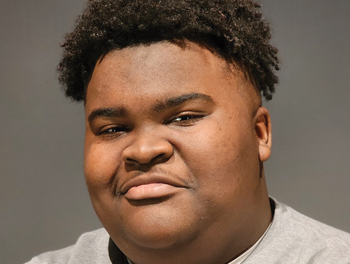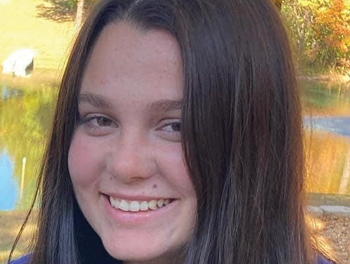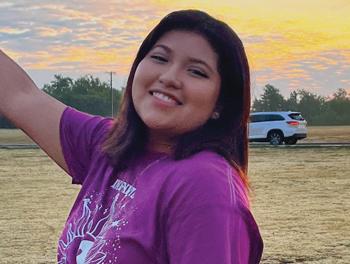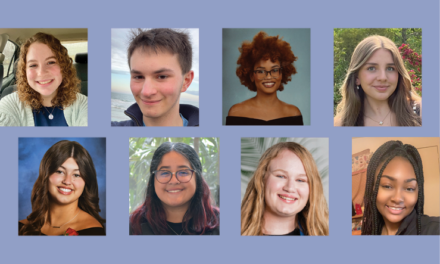
We asked our Educators Rising students, “What do you wish adults in your school understood about students’ lives today? What do you think would change at school if more adults really understood what your lives are like?”

The comparison game
Adults need to understand how the lives of teens now may vastly differ from their experience as teenagers. Social media is a constant presence, influencing how we connect with friends, seek validation, and even how we view ourselves. While it can be a great tool for communication and creativity, it often intensifies feelings of anxiety and insecurity. With the pressure to curate a perfect persona, students can feel overwhelmed by the need for constant engagement and the fear of missing out. The comparison game is relentless, deepening mental health issues such as anxiety and depression. Additionally, the prevalence of online bullying can exacerbate these feelings, making it hard to escape from negativity, even at school. On top of that, the fear of school shootings looms large in our collective consciousness. We’ve grown up with active shooter drills as a regular part of our education, and the news of tragedies occurring in schools across the country has made safety a significant concern. This persistent anxiety can make it difficult to focus in class, participate fully in activities, or even relax in what should be a safe and nurturing environment.
If more adults truly understood how these realities shape our experiences, they might take much-needed action to create a more supportive and safer environment. Schools could implement programs that promote awareness and resilience regarding mental health, equipping students with coping strategies for managing online pressures. Additionally, fostering open conversations about school safety could empower students to share their concerns and contribute to a culture of vigilance and support. Creating strong support networks—whether through counseling services, peer support groups, or mental health awareness programs—could help students feel less isolated in dealing with these pressures. When adults in school recognize the impact of social media dynamics and safety fears, they can work toward building a school culture that cultivates mental wellness and emotional resilience, allowing students to thrive both academically and personally.
Brooklyn Crabtree
Senior | West Clermont High School | Amelia, Ohio
Today’s generation is different
I wish adults in my school understood that today’s generation is different from theirs. Especially with the rise of social media and the COVID-19 quarantine, children today don’t operate the way the current adults did in their youth. If adults took the initiative to listen to the students about how they feel and how their minds work, school would be a much more enjoyable environment for everyone involved.
Sydney Clark
Senior | Brooke High School | Wellsburg, West Virginia
We’re human, too
I wish adults understood that we’re human too, and that we face real challenges that aren’t always visible. Just because we’re younger doesn’t mean we don’t experience stress, anxiety, or even sadness. It’s easy to assume that we have it easier just because we don’t have jobs or bills to pay, but we’re under a lot of pressure to succeed, fit in, and figure out who we are, all while dealing with the ups and downs of growing up. When adults don’t recognize this, it feels like they’re overlooking the struggles we’re carrying with us every day. We’re not asking for special treatment; we just want some understanding. If teachers and other adults at school could see that, maybe they’d be more willing to listen and support us when things get tough. They might give us a little flexibility when we’re feeling overwhelmed or offer more guidance and encouragement instead of just focusing on grades and deadlines. If more adults truly understood what our lives are like, school wouldn’t feel as much like a constant grind. It would feel more like a place where we’re allowed to grow and learn without feeling like we have to hide our struggles. We’d feel supported, not judged, and maybe even inspired to push ourselves further because we’d know the adults in our lives get what we’re going through.
Asiah Scott
Senior| Forest Hill High School | Jackson, Mississippi


Prioritize mental health
I think if more adults in schools understood the pressures and challenges students face today, like balancing academics, extracurricular activities, and a social life, they might be more empathetic and supportive. They could implement policies that prioritize mental health, offer more flexible deadlines, and create a more inclusive and understanding environment.
Rory Watts
Senior | Lincoln County High School | Hamlin, West Virginia
It’s OK to take a break
I wish they understood that we put as much effort into our work as they do. I also wish they understood that it is OK to take a break every once in a while. Many students I know in high school tackle schoolwork, jobs, sports, and extracurricular activities. This can cause a lot of stress when adults don’t understand how we truly feel. If they understood what was going on in our lives, they could make changes. They could lessen schoolwork loads and help us with everything else we have going on. Being there for students in your care and understanding and expressing concerns could improve your students’ lives because they will not feel so stressed.
Bailey Hoover
Senior | Lima High School | Lima, Ohio


Understanding our times
I wish adults understood our times instead of teaching how they were taught as a child years ago. I think if more adults really understood us, our schools would become more comfortable. More students would be willing to come in and give 100%.
Owen Elsasser
Senior | Ralston High School | Ralston, Nebraska
Let change do its thing
I wish more adults understood that school is different today. The things they did, the ways they learned, and the way they built relationships are different from the way things are now. Schools are unique because they are constantly changing with new methods of teaching and learning while also preserving the history and tradition of education. Testing, classroom management, and instruction look different from years past. There’s nothing wrong with sticking to a more “traditional” view of education. Still, it is best to acknowledge that the traditional way is not the only way, especially in the world of education. Change is inevitable, and education is a catalyst for change. We should let change do its thing.
Ivy Grace Smith
Freshman | The University of Alabama | Tuscaloosa, Alabama


Misdirected anger
Many students are misunderstood by adults. Some students have misdirected anger toward teachers because they were most likely taught at home not to let anyone — young or old — disrespect them. All it takes is a one-on-one conversation to get a student to express themselves before fussing at them. Fussing creates tension, which makes the situation worse. Adults should remember that children don’t choose who they were raised by or how they were raised. It takes the adult to guide the student to a better pathway in life, which will help change the negative impacts of student behavior in schools.
Brandi Dae
Junior | Murrah High School | Jackson, Mississippi
Realistic expectations
There are many instances where my generation, the teenagers and young adults of today, are misunderstood. We are often called “lazy” or “lacking a work ethic,” but I think we just lack motivation. We are also tired of school and overworked since school, in my opinion, is now more about earning good grades and less about actually learning things. We are constantly under pressure from our schools, parents, and jobs. Because of my home environment, I’ve grown up to be a serious perfectionist when it comes to my grades, constantly working to maintain an A in all my classes. As a result, my teachers hold me to high standards. Constantly holding myself to seemingly impossible standards and having many eyes on me is exhausting at times.
I often look forward to the weekend to have a breath of fresh air, but as soon as I try to relax, I remember five assignments I have due by the end of the day and a big project coming up. I want adults to understand that, at least from my perspective, I have a lot on my plate, and I shouldn’t be called lazy if sometimes I want to relax instead of overworking myself. Now, if adults understood us, things would be different. I wish they could see that beyond students, we are people with a lot going on in our lives, and that sometimes it feels impossible to balance it all. If they acknowledge all the pressure we face, they might make their expectations more realistic, offer better support, and help us find a balance. It might also lead to less burnout, more open conversations about mental health, and an overall more supportive atmosphere where we thrive not just academically but emotionally and socially as well.
Zariah Wilson
Junior | Jim Hill High School | Jackson, Mississippi

This article appears in the Spring 2025 issue of Kappan, Vol. 106, No. 5-6, pp. 65-67.