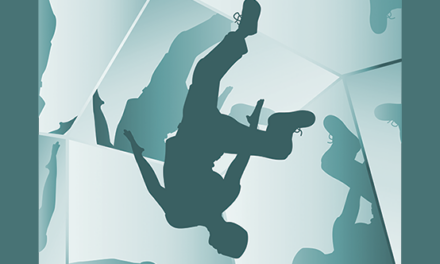
Helping anxious students change their negative thinking patterns can reduce stress and improve their engagement.
Teachers often feel overwhelmed and underprepared to meet the increasing mental health and behavioral needs of their students in the post-pandemic classroom. It is no wonder as anxiety, which has historically been the most prevalent mental health disability, affecting up to 31.9% students in the United States, was compounded by the pandemic (Benton, Boyd, & Njoroge, 2021; Merikangas et al., 2010; Racine et al., 2021; Salari et al., 2020). However, few teachers receive any training in their teacher preparation programs in mental health and behavioral best practices (Ginsburg et al., 2019). By and large, teachers are left on their own to learn about the effects of anxiety on learning and behavior and to figure out how to address it in the moment.
Given that such a large percentage of students currently are suffering from anxiety, it is no longer realistic to send every struggling student to the care of the counselor or the psychologist. Teachers can learn targeted and easy-to-implement strategies to reduce the negative impact of anxiety on students, leading to improvements in their social-emotional, behavioral, and academic functioning (Ginsburg et al., 2019; Zee & Koomen, 2016).
You’ve accessed your three free articles for this month.
If you are a PDK member, login to read more.
If you are not a PDK member, join for full access, in addition to other benefits. Complete our membership form to join.
Forgot your password? Visit the Member Portal to reset your password.
Having trouble? Contact our member services team at memberservices@pdkintl.org or 800-766-1156.