
Getty Images
Q: I teach 3rd grade and would like to take my class outside for breaks periodically. For several reasons, my principal resists this idea. For one, she thinks there wouldn’t be enough supervision. If someone got hurt and I were the only adult out there, she thinks it would be hard for me to quickly summon help. She also worries about liability, especially with the threat of school violence or even extreme weather conditions, whether it’s too hot in spring or too icy in winter. Beyond her legal concerns, she is afraid that every teacher would begin vying for time outside and get irritated if one person started hogging the outdoor space. Meanwhile, she worries that teachers who don’t like taking students outside or who wouldn’t feel comfortable doing so alone would face pressure from parents who didn’t understand why their child wasn’t getting the same opportunities for outdoor breaks as other students. Plus, she thinks my class coming and going from the building could be loud and disruptive to others in the school, particularly kindergarten and 1st-grade students. She also worries that these outdoor breaks would lead to more conflict among students. And, though she didn’t say this part out loud, I think she’s worried that would mean more work for her.
What do you think about the merits of outdoor play breaks? If you agree with me, can you help me argue my case?
A: You’ve cited quite a lengthy list of reasons why your principal doesn’t want you to take your class outside, which doesn’t bode well for your case. However, her ability to articulate her concerns with such specificity may leave some room for compromise. I’d start by validating her concerns and trying to see the issue from her perspective. As the school’s leader, it’s her job to worry about issues such as safety, teacher morale, parent concerns, inclement weather, disruptions to teachers’ routines etc., while you primarily have to worry about your class. And while you could share research that supports the merits of more outdoor play, that won’t address her concerns.
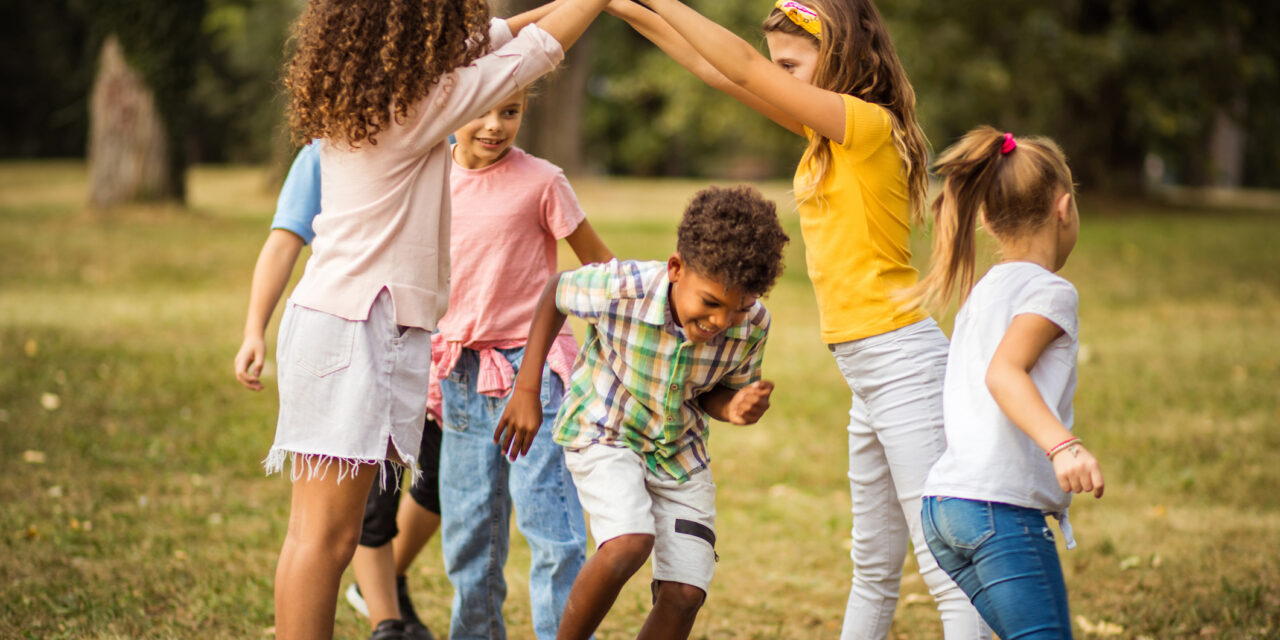
For what it’s worth, I share your views on play time. I’ve spoken on several occasions to Peter Gray, a research professor of psychology at Boston College who writes extensively about the importance of unstructured play. As he has found, such play supports kids’ social, emotional and cognitive development. Sure, it can lead to conflict, but it also gives kids a chance to bolster their problem-solving and emotion-regulation skills. It’s how they develop their creativity and learn to negotiate and work with others. Plus, it’s good for them to get outside and move and experience the calming and mood-lifting benefits of nature. Not to mention that research shows that kids who engage in free play perform better academically. Gray also supports the idea of less adult supervision. In fact, he encourages teachers to act like “lifeguards on the beach.” In other words, unless your students are in danger, give them time and space to explore and interact freely.
So how can you assuage your principal’s fears? If she’s open to compromising, you could assure her that you wouldn’t take your students outside during inclement weather. You also could come up with a broader safety plan that includes measures such as taking attendance, bringing a cell phone or walkie-talkie outdoors with you, keeping a First Aid kit on hand for scraped knees and other minor incidents, and regularly reminding kids of the rules. Or perhaps your principal would be less resistant if you coordinated with another teacher and brought your classes outside together. I don’t know the set-up of your school, but it also might help your case if you could use an outside courtyard or blacktop adjacent to the school rather than a playground that’s farther away from the building.
As for disrupting younger students, could you offer to schedule breaks at times when they would be at lunch or in PE? And when it comes to her concerns about conflict and injury, could you say you’ll have students engage in a structured lesson, activity, or game during outdoor breaks? Or could you read to them while outdoors? While these options wouldn’t provide the same free play experience, your students would still get the mood-boosting benefits of a change of scenery. Last, could you suggest that your principal reassure everyone that no one should feel any pressure to take their students outside if that isn’t their thing? You may offer all of these suggestions and still get nowhere, but I wish you luck!
Click here for more Career Confidential
Have a question that you’d like Career Confidential to answer? Email contactphyllisfagell@gmail.com. All names and schools will remain confidential. No identifying information will be included in the published questions and answers.
ABOUT THE AUTHOR

Phyllis L. Fagell
Phyllis L. Fagell is the school counselor at Landon School in Washington, D.C., a therapist at the Chrysalis Group in Bethesda, Md., and the author of the Career Confidential blog. She is also the author of Middle School Matters and Middle School Superpowers, available at https://amzn.to/3Pw0pcu.