Q: As a principal, I make a million and one decisions a day. I’ve been at this a while, and much of the time I feel competent. Lately, however, I’ve had to make some tough calls, and I’ve taken a lot of criticism. Sometimes parents are ticked off, and sometimes it’s staff or members of the community or even district leaders. I know I’m not the only principal who has to make hard decisions in the midst of a culture war and a global pandemic, but man am I drained and having a hard time rallying after I take a hit.
Here’s one example: A teacher covered content in class related to racism. It wasn’t part of the curriculum, but she had my permission to touch on an event that had just been in the news. Afterward, I got slammed with hateful messages and emails from upset individuals who felt she shared too many graphic details about the incident. A few of the complainers were parents in my own school community, but most were internet strangers. A few individuals even referenced the fact that I’m a gay man — which is personal and irrelevant. I don’t know how the situation ended up on social media, but the negative press got my district’s attention, and unhappy school system leaders advised me to rein in the teacher. When I spoke to her, I underscored that I had her back and she wasn’t in trouble, but I also was honest and urged her to be mindful of her students’ maturity and capacity to process and contextualize information. So now she’s ticked off at me, too, and I’m sure she’s complaining about me to other staff members.
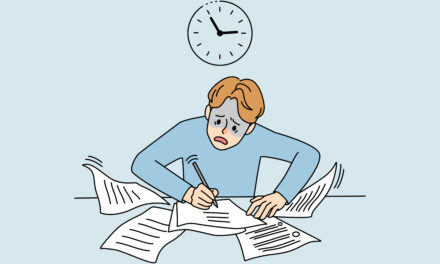
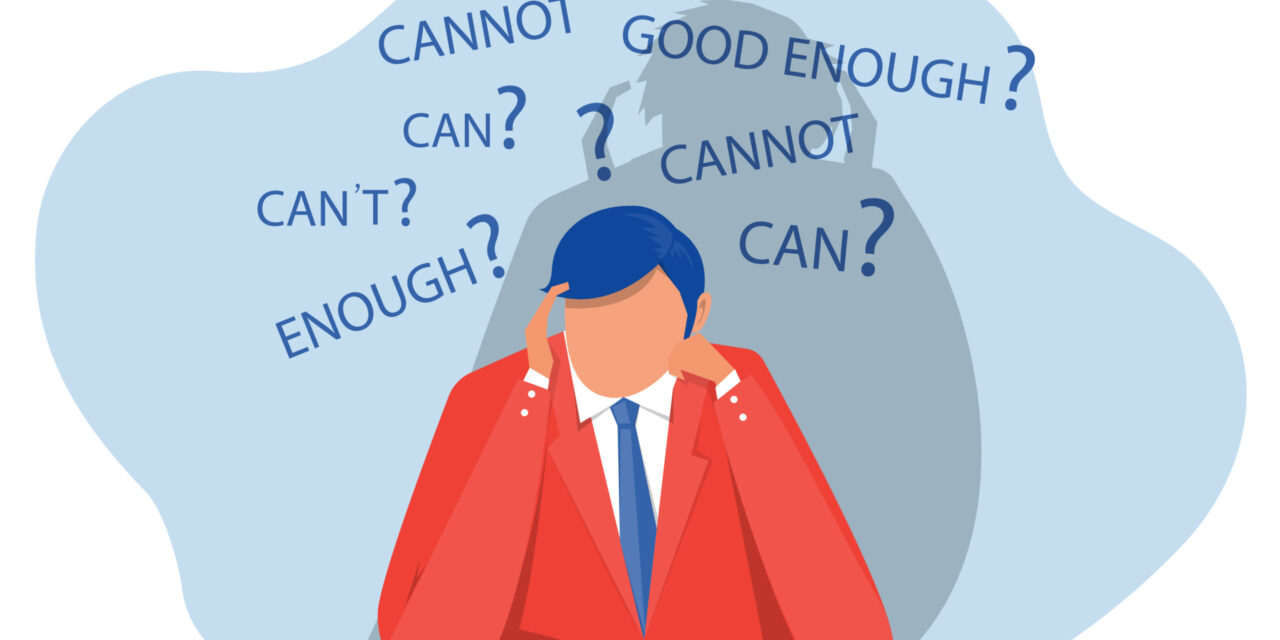
Anyway, whenever my decisions are questioned, whether it’s something like this or something less consequential, I feel like an imposter. I get insecure and anxious and worry that I’m not cut out for this job. How can I shake off my self-doubt faster? Ideally, I’d skip the part when I get so triggered by others’ criticism and judgment that I feel like quitting my job immediately.
A: Your role requires you to make endless decisions, and that’s challenging even when things are going well. Throw in relentless, unsolicited feedback from all corners of the internet, and the most self-assured and competent principal is likely to feel drained and defeated. So how can you preserve your confidence in the face of criticism?
For advice, I reached out to psychologist Jill Stoddard, author of Imposter No More, Overcome Self-Doubt and Imposterism to Cultivate a Successful Career (forthcoming, Hachette Book Group, September 2023) and Morra Aarons-Mele, podcaster and author of The Anxious Achiever: Turn Your Biggest Fears into Your Leadership Superpower (Harvard Business Review Press, forthcoming April 2023).
First, Stoddard pointed out that you’re far from alone. “Up to 70% of people will experience imposter thoughts at some point during their lifetime, especially in those who have been marginalized (e.g., women, BIPOC, LGBTQI+), which tells us the word ‘syndrome’ is really a misnomer,” she said. “These thoughts are more normal than not and offer important information — that you care about what you’re doing and how well you’re doing it.” Instead of these thoughts being an indicator you don’t belong, she added, “they are often a neon sign saying you are right where you’re meant to be — doing something that matters to you. Recognize that [these thoughts are] trying to protect you from failure or humiliation, thank them for doing their job, and choose not to let them get in your way.” Stoddard urges you to ask yourself, “If I listen to these thoughts, will it move me in directions that matter to me?” Focus not on what your mind is saying, but on what you care about, and then move your feet in that direction irrespective of the imposter voice.”
In other words, feel your feelings, but don’t get stuck. “I imagine you feel angry when all your hard work goes unrecognized, and when parents and colleagues complain, whether something’s your fault or not,” Aarons-Mele added. She recommends focusing on what you can control, mainly how you react to others’ behavior. “Ask yourself, ‘How am I reacting to these triggers, and is it good for me?’ If the answer is no, consider different ways you could respond,” she explained. “When a parent complains and there’s really nothing you can do about it, tell yourself, ‘I’m stepping out of this circle. Maybe they had a bad day.’” If you’re struggling to distract yourself, try engaging in physical activity to interrupt the unhelpful thought pattern.
It never hurts to do a little reflection, too. “When a colleague gripes, ask yourself, ‘Am I in the wrong here?’ Aarons-Mele said. “Consider the possibility you might be. Even still, we all make mistakes. Is everyone overreacting, and if so, why?” In other words, it’s often not about you. As Aarons-Mele noted, people sometimes complain to release anxiety and fear. “It’s only natural that as a committed professional you want to take responsibility or help, but it truly may not be worth it,” she said. “The best answer may be to exit the situation and manage your response.”
Click here for more Career Confidential
Have a question that you’d like Career Confidential to answer? Email contactphyllisfagell@gmail.com. All names and schools will remain confidential. No identifying information will be included in the published questions and answers.
ABOUT THE AUTHOR

Phyllis L. Fagell
Phyllis L. Fagell is the school counselor at Landon School in Washington, D.C., a therapist at the Chrysalis Group in Bethesda, Md., and the author of the Career Confidential blog. She is also the author of Middle School Matters and Middle School Superpowers, available at https://amzn.to/3Pw0pcu.