An Ohio school district could have avoided a classroom meltdown that turned into a PR debacle — and journalists should care.
By Alexander Russo
Earlier this year, a school district official interrupted a student discussion about a Dr. Seuss book — with an NPR reporter in the room taping the whole thing.
“Sorry. Can I pause this?” said Olentangy School District public affairs officer Amanda Beeman to third grade teacher Mandy Robek. “I don’t know if I feel comfortable with book being one of the ones featured.”
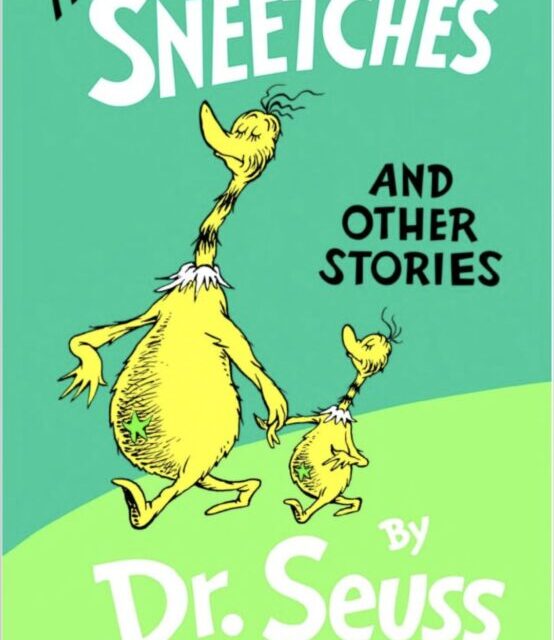
It was just past halfway of the January 6th half-hour “Planet Money” segment on the economics lessons in kids’ books. The book being discussed — The Sneetches, published in 1961 — had been approved by the district. The ground rules of the discussion — no politics! — had been agreed upon.
“I just feel like this isn’t teaching anything about economics, and this is a little bit more about differences with race and everything like that.”
Beeman said she wanted to pivot to something else. And that’s what happened. (You can read the transcript here.)
“I just feel like this isn’t teaching anything about economics, and this is a little bit more about differences with race and everything like that.”
Not surprisingly, the awkward moment turned into a whole thing.
The Columbus Dispatch got a response from Beeman saying that she wished she’d responded differently.
A few days later, Beeman’s district disavowed her decision, calling it a personal decision rather than a district policy.
Parents protested. You get the idea.
Of course, what happened is more than just a fun story for journalists and an unhappy moment for the district, or even just the latest example of how worried everyone is around sensitive topics in schools these days.
Classroom visits by reporters — diminishing even before the pandemic and even rarer since — have been further endangered by the school culture wars in which even the most innocuous discussion can become politically charged in an instant.
If districts and reporters can’t figure out ways to work things out, then readers won’t get the benefit of learning a journalists’ firsthand view of what’s going on inside schools.
If districts and reporters can’t figure out ways to work things out, then readers won’t get the benefit of learning a journalists’ firsthand view of what’s going on inside schools.
Curious about what had led to this embarrassing moment — and if there was any way that the outcome could have been better — we asked a few communications pros for their advice: Could the PIO or the school district have done things differently before, during, or after the classroom visit?
The short answer: Yes, many things could have been done that might have averted the mid-lesson shutdown.
However, public relations is more of an art than a science. On a couple of points, the experts disagreed about what to do.
Public relations is more of an art than a science. On a couple of points, the experts disagreed about what to do.
The district must have been pleased to have gotten the call from NPR, though media interactions are increasingly fraught these days:
“How excited must Amanda Beeman have been to get a call from NPR? Let’s be honest, NPR is a ‘brass ring’ in the PR world! However, there are significant things to consider when engaging with a highly visible media outlet.” – Stacey Finkel, President of SMF Consulting (@staceyfinkel).
Vetting the book and talking with the classroom teacher would have helped make sure that the two were on the same page:
“It appears in this instance that some light vetting of the potential educational materials occurred, but staff may not have talked directly with the educator involved to find out how she planned to incorporate the books into the day’s activities.” – Bill Reinhard, former Maryland communications guru (@williamreinhard)
“How excited must Amanda Beeman have been to get a call from NPR.” – Stacey Finkel.
Just because a book has been around a long time doesn’t mean that it’s going to register as safe or comfortable in the present:
“I think it is important to acknowledge that this book was written at a different time, and our culture and sensitivities have changed.” – Finkel
“’The Sneetches and Other Stories’ has been used by schools for six decades to engage students in discussions about discrimination as well as economics, and if those uncomfortable conversations do not dovetail with the district’s goals it should be avoided.” – Reinhard
“If those uncomfortable conversations do not dovetail with the district’s goals it should be avoided.” – Bill Reinhard
The experts disagreed about whether the public affairs officer should have let the conversation proceed, put a halt to it as she did, or found a way to stop the proceedings without being on tape:
“Halting an interview or classroom event is touching the third rail of the media relations process. The actions of a comms staffer become the story; the organization appears to be stifling open communication, with the media as witness; and the relationship with the educators who have been partners in the event is fractured. It turns a one-day story into something that lingers.” – Reinhard
“If the book was previously approved, you need to let it go. If you are that concerned, the teacher needs to do counter programming afterward on the book’s content.”
– Patrick Riccards, CEO of the Driving Force Institute (@eduflack)
“At the point where I was feeling uncomfortable about the direction of the conversation, I would have asked that the recording be paused momentarily. Perhaps giving the teacher time to refocus on the point of the book choice could have bypassed the media coverage that followed.” – Finkel
“If the book was previously approved, you need to let it go.” – Patrick Riccards
According to Riccards, there are two ways to go in the aftermath of the on-tape awkwardness:
“If the district now thinks it made a mistake, send the superintendent in to read The Sneetches to the school. Have two teachers dress as Sneetches, as if it were Read Across America. Make it fun and explain the moral as it was intended. And own the mistake and apologize for it.
“Or go on all In on monitoring content. Assemble a parent committee to review all the books in the library to ensure that none can be used to push an ideology, intended or otherwise, on our children. Sneetches are but one character on the public enemies list.” – Riccards
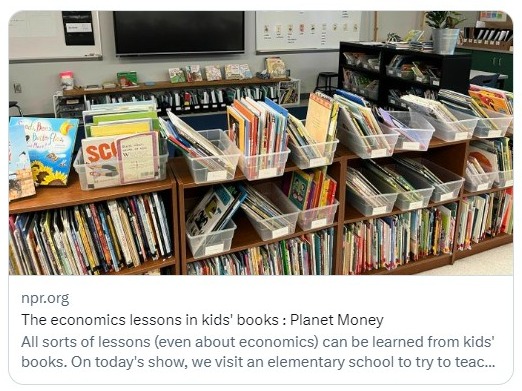
Above: The January 6th NPR segment that created the uproar
It would be a real shame for reporters to lose even more access to the classroom over events like these.
If there’s one thing readers of education stories are universally interested in, it’s what being taught and how.
Careful preparation and steady communication might have avoided this situation.
School districts and education reporters both have a clear stake.
Previously from The Grade
How to report from inside a school — even when they won’t give you access
Remote reporting doesn’t work, either.
Back into school for reporters, too
ABOUT THE AUTHOR
Alexander Russo
Alexander Russo is founder and editor of The Grade, an award-winning effort to help improve media coverage of education issues. He’s also a Spencer Education Journalism Fellowship winner and a book author. You can reach him at @alexanderrusso.
Visit their website at: https://the-grade.org/