
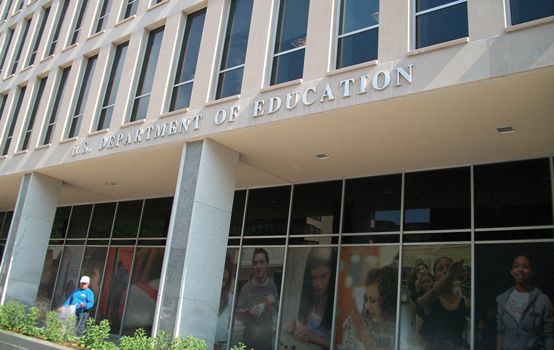
The passage of the federal Every Student Succeeds Act (ESSA) in 2015 was greeted with two divergent views about how states would respond to their newfound flexibility from NCLB-era mandates. The optimistic view was that states would use their increased authority to enact innovative policies that would experiment with different approaches to school improvement that were better matched with local conditions and needs. The pessimistic view was that states would use their discretion to retreat from the pursuit of greater educational equity and struggle to muster the political will or administrative capacity necessary to address persistent racial and socio-economic achievement gaps (Robinson, 2018). Joanne Weiss and I examined these hopes and fears in a May 2016 article for Phi Delta Kappan (“States as change agents under ESSA”). Three years later — and two years after ESSA went into effect — we can begin to assess how the U.S. Department of Education (DOE) has managed the approval process for state accountability plans, examine how state plans are shaping up as a result of their newfound flexibility, and highlight implementation challenges that have emerged.
The enactment of No Child Left Behind (NCLB) in 2001 initiated an intense national debate over educational federalism and the proper role of the national government in school reform. The prescriptiveness of the law — and the George W. Bush administration’s energetic implementation of it — was criticized for being inconsistent with the country’s tradition of local control and states’ rights in education. The use of the Race to the Top competitive grant program and NCLB waivers to push states to adopt its preferred reform approaches was similarly criticized during Barack Obama’s administration. At the same time, however, both administrations’ aggressive use of federal power received praise from many civil rights and anti-poverty groups who believed it was necessary to get states to address longstanding racial and socioeconomic achievement gaps (Orfield, 2016).
You’ve accessed your three free articles for this month.
If you are a PDK member, login to read more.
If you are not a PDK member, join for full access, in addition to other benefits. Complete our membership form to join.
Forgot your password? Visit the Member Portal to reset your password.
Having trouble? Contact our member services team at memberservices@pdkintl.org or 800-766-1156.