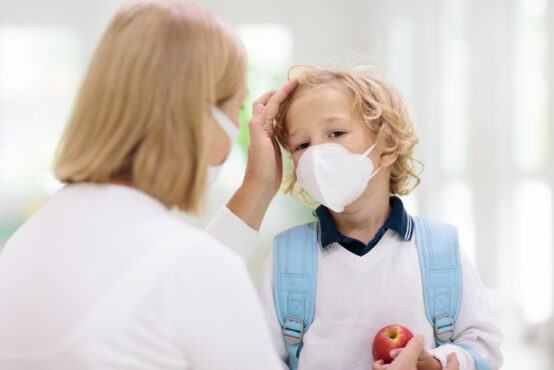
Q: I work as a school nurse in Maryland and cover three different schools. I’m used to juggling a million different things at once yet feeling like I’m not a “real” part of the school community. In the area where I work, nurses are hired by the Department of Health, not the public school system, so technically we aren’t a member of the school staff, and I often feel left out. I know the staff at my assigned schools on mostly a superficial level, and while I have a nice support network with other school nurses in the region, I wish I felt more of a connection to the teachers and other staff members in the buildings where I work. It’s tough because I’m responsible for more than 2,000 students and am almost always tapped out. I’ve only been back in the schools for a week, I’m already exhausted, and I know it’s not going to get easier for a while. There’s a reason the hashtag #NursesAreNotOK has been making the rounds.
As for the social element, I don’t want to imply that anyone is mean. In fact, everyone is very nice and appreciative of my contributions, at least to the extent that they understand what I do, but they don’t think of me as one of them, and they don’t have the same need to befriend me as I do to befriend them. They have one another and built-in teams. When schools were closed, I could set my worries about feeling left out aside and focus on pandemic-related tasks such as contact tracing and pitching in at county vaccine and testing centers. But now that we’re reopening schools, those familiar feelings of being excluded are racing back. Here are a few examples: I don’t get the same emails or attend the same meetings as teachers, for the most part, and I’ve never been invited to staff meetings or end-of-year parties.
That stuff isn’t the biggest deal, I know, but my job is particularly difficult and overwhelming right now; everyone is just out of their mind with anxiety and I’m going to be spending an inordinate amount of time in COVID isolation rooms assessing symptomatic students. I’m really going to need friends and support to get through the rest of the year, but I’m unsure how to make that happen. Would it be weird to ask the principals I work with for some help?
A: First of all, thank you for everything you do to help kids and the community. As a school counselor, I work closely with our nurse and understand the importance of your role. I know, for instance, that you might be the first to recognize that a child’s frequent somatic complaints relate to anxiety or depression. And you are right that your situation is unique. There are other professionals — such as speech pathologists, pupil personnel workers, and psychologists — who split their time between multiple schools, but they typically work for and are more plugged into what’s going on in the district.
To create a sense of belonging, then, you need to tackle two problems. The first relates to clearly communicating to colleagues what you do and how you can collaborate with them, and the second has to do with participating in more school-based activities. For the former, I absolutely would share how you feel with the principals. It may not have crossed their minds that you feel like an outlier, and I’m sure they appreciate you and want you to feel like you’re a part of the community. They might be willing to include a description of your role in an all-staff email or newsletter. To make it easier on them, you could provide the write-up and ask them to add a brief introduction.
For the latter, you could ask for an invitation to staff meetings and/or relevant professional development opportunities. But while that might help you feel “in the know,” it might not be the most socially satisfying solution. To make friends, I’d try to build up the courage to ask colleagues if they want to take a walk or join you for lunch. Once your principals know how you feel, they’ll hopefully include you in schoolwide communications and invite you to all-staff celebrations, too. It’s also possible that the CARES Act will allow your school system to place a nurse at each school, at least temporarily. It would be much easier to get to know colleagues if you’re consistently stationed in the same building and managing the care of fewer students.
Last, I want to challenge your assertion that your colleagues won’t be as eager as you to make friends. The pandemic has taken a significant mental health toll on everyone, and I suspect that many of your colleagues also feel lonely and overwhelmed and would be grateful for any extra support.
For more Career Confidential: http://bit.ly/2C1WQmw
Have a question that you’d like Career Confidential to answer? Email contactphyllisfagell@gmail.com. All names and schools will remain confidential. No identifying information will be included in the published questions and answers.
ABOUT THE AUTHOR

Phyllis L. Fagell
Phyllis L. Fagell is the school counselor at Landon School in Washington, D.C., a therapist at the Chrysalis Group in Bethesda, Md., and the author of the Career Confidential blog. She is also the author of Middle School Matters and Middle School Superpowers, available at https://amzn.to/3Pw0pcu.