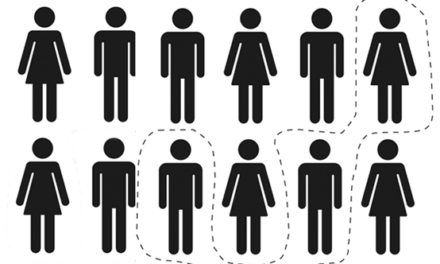
Perhaps the biggest problem in reforming American education is that it is just so big. We have more than 100,000 elementary and secondary schools, in which more than 3 million teachers teach more than 50 million kids. The schools, teachers, and kids are hugely diverse. Yet we have an enormous job of work to do to markedly improve learning outcomes in all of these schools.
Federal programs have demonstrated that programs can be scaled up to serve thousands of schools.
People who think about how to improve 100,000 schools, especially those who spend a lot of time inside the Washington beltway, tend to suggest two types of approaches to national school improvement. One emphasizes top-down, often very prescriptive policies to tell each school what to do; the other emphasizes setting general standards and then letting local schools do what they think is best to meet the standards. If the federal government provides a lot of funding, such as Title I to high-poverty schools and funding for special education, dollars come with rules that may also be either top-down, bottom-up, or some of both. States and districts seeking to improve outcomes in many schools think along similar lines.
You’ve accessed your three free articles for this month.
If you are a PDK member, login to read more.
If you are not a PDK member, join for full access, in addition to other benefits. Complete our membership form to join.
Forgot your password? Visit the Member Portal to reset your password.
Having trouble? Contact our member services team at memberservices@pdkintl.org or 800-766-1156.