No one can accuse the elected branches of the federal government of not leaning in on school accountability. Over the past two decades, the No Child Left Behind Act (NCLB) and the Every Student Succeeds Act (ESSA) have made terms like “student subgroup,” “n-size,” “adequate yearly progress” (AYP) and “comprehensive support and improvement” (CSI) so ubiquitous that millions of educators — and many in the general public — recognize them, and probably have a strong opinion about them.
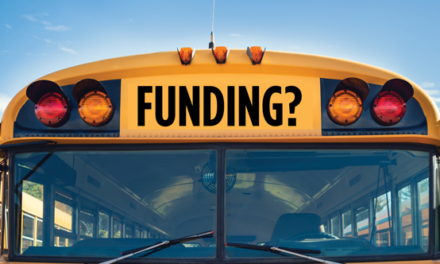
Many education scholars (e.g., Black, 2016; Ravitch, 2012) have chronicled the shortcomings of NCLB, ESSA, and the accountability systems they’ve spawned. At the heart of the problem: Neither statute articulates a clear vision of what constitutes “quality” or “equity” in education, nor — critically — do they include a mechanism to ensure that schools have sufficient resources to pursue that vision.
To whom should we turn for answers? In this arena, too little is said of the contributions of the third branch of government: the judiciary. Maybe that’s to be expected: Judges don’t run schools. But they do resolve disputes involving schools, particularly when students have been shortchanged or treated unfairly. How have the courts been holding schools accountable for providing a high-quality and equitable education?
You’ve accessed your three free articles for this month.
If you are a PDK member, login to read more.
If you are not a PDK member, join for full access, in addition to other benefits. Complete our membership form to join.
Forgot your password? Visit the Member Portal to reset your password.
Having trouble? Contact our member services team at memberservices@pdkintl.org or 800-766-1156.